In January 2026, two schoolchildren in Musanze, northern Rwanda, said they had seen the Virgin Mary, and thousands flocked to the site. The mayor dismissed it as rumour and the Catholic Church urged calm. How it compares with Our Lady of Kibeho, approved in 2001, and the Vatican's 2024 norms.
Tokyo's 23 wards now see average family rent reach ¥250,000/month, nearly 50% of disposable income. With condos exceeding ¥100 million, families flee to suburbs while 45% of young adults consider rural migration. Discover what's reshaping Japan's capital and how it compares to your country's housing situation.
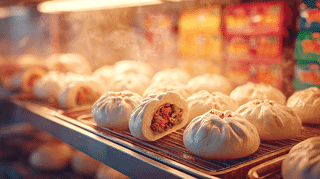
Japanese convenience store steamed buns (chukaman) are undergoing a remarkable evolution. From super-sized meat buns to sweet varieties like hotcake and chocolate buns, and international flavors like Korean and Taiwanese cuisine, discover how the Big Three convenience stores are competing in this 60 billion yen market with innovative creations.
While Japan faces record bear attacks in 2025 with over 200 casualties nationwide, the resort town of Karuizawa has maintained zero human injuries for 15 consecutive years. Learn how NPO Picchio's innovative approach—using bear dogs, radio tracking, and community cooperation—created a successful model for human-wildlife coexistence that protects both residents and bears.
KUSELESS, a "no-cut salon" specialising in curly-hair care for people over 40, opened on February 8, 2026 in the Dojima underground shopping centre in Osaka. It focuses on hair-condition colour and curly-hair care rather than cutting, and promises every menu within 60 minutes. A look at the move away from chemical straightening and the rise of niche salons in Japan.
Japan's convenience store toilets face an uncertain future. A FamilyMart's controversial sign demanding ¥1.5 million in cleaning fees went viral on social media. With 40% of toilet users leaving without purchasing anything and store owners bearing all maintenance costs, the debate over paid toilets is heating up. Discover Japanese and international perspectives on this uniquely Japanese social phenomenon.
Tokyo's used condominium average prices have surpassed ¥100 million (about $670,000) for the first time in history. Explore the factors behind this surge: declining new construction, yen depreciation, and foreign investment, and what it means for ordinary Japanese homebuyers.
Explore how Japanese patissiers uniquely evolved French pastry to win back-to-back Pastry World Cups. Discover the history of Japan-born "French pastries" like yellow Mont Blanc and fluffy strawberry shortcake, plus how Japanese techniques are being reverse-imported to France. Includes 2025's trending flan pâtissier.
In a historic shift, "civil servant" ranked #1 for the first time among Japanese middle school boys' dream jobs in 2025. "YouTuber," which had led every edition through 2024, fell nine points to third. This article explores how economic uncertainty and inflation are driving Japanese teens toward stability-focused career choices.
Japan's winter ice cream market is booming — spending has doubled in 20 years, with 2024 sales hitting a record 645.1 billion yen. Discover how Morinaga's PARM success, 2000s manufacturing innovations, "kotatsu ice cream" culture, and winter-limited product strategies transformed an industry that once "burned through summer profits in winter."
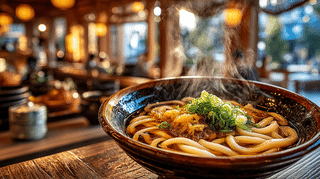
Japanese udon is taking the world by storm. At Narita Airport, over half the customers are international visitors. Overseas, dedicated fans pay $26 per bowl daily. Marugame Udon has expanded to 307 stores worldwide. Discover why foreigners are falling in love with Japan's beloved noodle and share your country's udon experiences!