As global matcha demand explodes, Kagoshima is building a $17M mega-factory, Ibaraki is subsidizing new entrants, and Shizuoka is pivoting from sencha. Inside Japan's matcha production arms race.
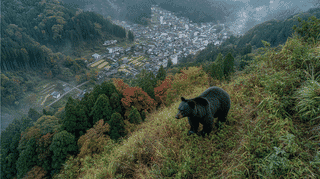
After record-breaking 238 bear attack victims and 13 deaths in FY2025, Japan's Ministry of Environment unveils revised guidelines introducing expanded exclusion zones and a new 'enhanced management area' to separate humans and bears.
A new manhole cover featuring a fertility god symbol has appeared in Ninohe, Iwate Prefecture. Discover Japan's unique manhole art culture, the booming manhole card collecting hobby, and the connection to festivals like Kanamara Matsuri.
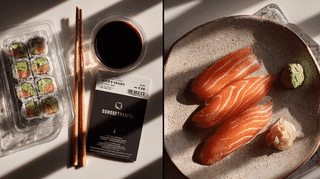
Takeout sushi sales at U.S. supermarkets have surged to $2.8 billion. Kroger sells over 40 million sushi packs annually, while NYC omakase spots charge over $1,000 per person. We break down the two-tier sushi economy reshaping how America eats Japanese food.
S&B Foods' Golden Curry celebrates its 60th anniversary with a new powder roux featuring 35 spices. Now sold in over 60 countries, Japan's iconic curry brand enters its next chapter.
Seven & i Holdings postpones its North American 7-Eleven IPO to fiscal 2027 or later, citing market instability from Middle East tensions and sluggish US consumer spending. A look at the strategic calculus behind the delay and what it means for global convenience store competition.
Japan's natto exports hit a record 5,248 tons in 2025, up 44% year-over-year. Driven by global health trends and fermented food hype, natto is conquering new markets. But packaging regulations and Korean competitors pose challenges. Plus: how the world eats natto.
Japan's resignation agency industry is booming — 94% of new graduates know about these services, and 25% would consider using one. Explore why Japanese workers pay someone else to quit for them, and what it reveals about workplace culture, generational shifts, and the collapse of lifetime employment.
Calbee unveils its 'Accelerate the Future' growth strategy to lift overseas and new-category sales to 50% by 2036. The Japanese snack maker is targeting North America's $4B BFY market with Harvest Snaps, backed by an M&A budget of more than 100 billion yen.
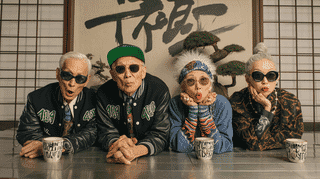
A takeout tea cafe staffed by seniors averaging 73 years old has opened in Tokyo's Shibuya. 'G-CHA & Ba-CHA' reimagines how the elderly can stay active and connected — with creative tea drinks, seated service, and flexible work rules. A heartwarming look at Japan's approach to aging.
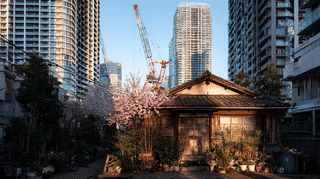
Japan's real estate investment hit a record $43 billion in 2025, with foreign investors accounting for $16 billion. As the weak yen makes Tokyo properties a global bargain, locals are being priced out — but signs of a market correction are emerging.