A 58-year-old mother who cared for her severely disabled daughter alone for 29 years was arrested after an attempted murder-suicide in Chiba, Japan. With approximately 40 caregiver-related killings reported annually, this article examines landmark cases and asks the world: is this a crime society should bear?
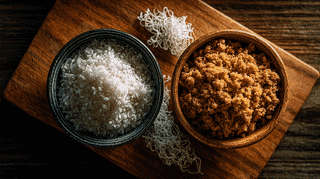
Agro Ludens started mass-producing CoMeat, a rice-derived mycoprotein made with koji fermentation, at its Nasu plant in Tochigi in April 2026. It uses processing-grade rice, not table rice, and Japan's agriculture ministry approved mycoprotein as a new-market rice use in March. Plus: Japan's swing from rice shortage to rice glut, Beyond Meat down 99%, and why JR East is now farming.
Hanamaruki rebranded its liquid shio koji at Natural Products Expo West 2026 in Anaheim, moving a gold-colored fermented seasoning that had been business-to-business only abroad into US retail with 210 ml bottles and an organic version. Can rice koji, salt and water follow miso and shoyu into the global vocabulary?
Japan's health ministry adds "Sleep Disorder" as a new medical specialty for the first time since 2008. With the shortest sleep duration among OECD nations and $100 billion in annual economic losses, Japan is officially confronting its sleep crisis.
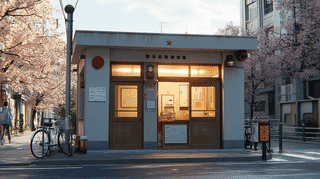
In 2025, a record $29 million in lost cash was turned in to Tokyo police — and over 70% was returned to owners. Discover why Japan's KOBAN police box system, Lost Property Law, and deep-rooted honesty culture make it the safest place to lose your wallet. Plus: what to do if you lose something while visiting Japan.
Japan tightened its foreign driver's license conversion test in October 2025: the written exam went from 10 to 50 questions and the pass mark from 70% to 90%, a certificate of residence became mandatory, and tourists can no longer apply. National figures the police released in March 2026 show the knowledge test pass rate falling from 90% to 40% and the practical test from 30% to 10%. A look at the accidents behind the reform and how other countries handle conversion.
Kyoto announces Japan's first dual pricing system for city buses: residents will pay ¥200 ($1.30) while tourists face fares up to ¥400 ($2.60). With 56 million annual visitors overwhelming a city of 1.43 million, this bold overtourism measure follows global models from Venice to Bali. How do locals and the world react?
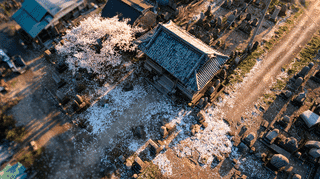
Around 420,000 Muslims in Japan face a growing burial crisis. Islamic faith requires burial rather than cremation, but in a country where 99.97% of the deceased are cremated, only about 10 burial-capable cemeteries exist. Plans to build new Muslim cemeteries in Oita and Miyagi prefectures have been blocked by resident opposition, exposing the gap between Japan's push for foreign workers and its readiness for multicultural coexistence.
A box of 12 "Berrytsu" strawberries just sold for $1,800 at auction in Japan. From $10,700 grape bunches to $39,000 melon pairs, Japan's luxury fruit market defies global norms. Discover the cultural traditions, auction rituals, and branding strategies that make ultra-premium fruit a thriving business in Japan.
Morinaga released seven snacks on March 3, 2026 that owners and their dogs can eat together, a first in the confectioner's 126-year history. A joint study with Tokyo University of Agriculture tested what sharing food actually does, and a veterinarian supervised the recipes. Japan's pet market hit 1.91 trillion yen in fiscal 2024.
A butter confection sold only at Tokyo's Haneda Airport has sparked a souvenir frenzy among international tourists. Born from repurposing skim milk that would otherwise go to waste, "Butter no Itoko" has some flying to Japan just for a taste. We explore how Japan's limited-edition treats and omiyage culture create demand worldwide.