Ever wondered why Japanese cup noodles have different cooking times - 3, 4, or 5 minutes? Nissin Foods reveals the key factor is noodle thickness. Discover the fascinating science behind instant noodle technology, from flash-frying methods to non-fried noodles, and learn about Japan's unique instant ramen culture.
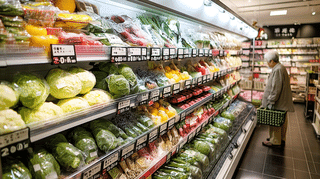
Aeon's mini supermarket chain My Basket reached 1,371 stores in August 2026 and is targeting 2,500 by fiscal 2030. Japan's aging population, the rise of single-person households and changing urban lifestyles are behind it. Here is why compact neighborhood stores are gaining on large supermarkets.
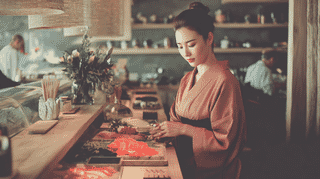
Discover where and when to avoid wearing perfume in Japan, including Japanese restaurants, sushi bars, hospitals, and funerals. Learn about Japan's unique "unscented culture" and understand why fragrance etiquette matters so much in this country known for its consideration of others.
White furisode, once dismissed as too plain for a celebration, are back in a way the kimono trade calls the biggest revival in about half a century. Social media, the way white bounces light onto the face, and a shift in Gen Z taste all play a part. White topped the color rankings again for the 2026 ceremonies.
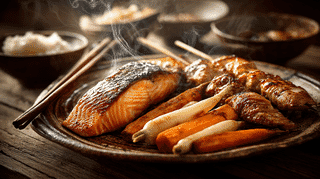
Discover Japan's unique food culture of eating fish skin, chicken skin, and vegetable peels. Rooted in the "mottainai" philosophy of zero waste, Japanese cuisine transforms these nutritious parts into delicious dishes. Learn about traditional cooking methods and health benefits.
Discover why American-style cookies are becoming a sensation in Japan. From their signature soft and chewy texture to unique Japanese adaptations, explore the trend sweeping Japanese bakeries and how local patissiers are putting their own spin on this beloved American treat.
Author Ken Honda cites a ghostwriter charging 50,000 yen, about $350, per letter. Actual Japanese market rates run 1,000 to 5,500 yen, an order of magnitude lower. So what does it say that the price can be argued for at all in the AI era?
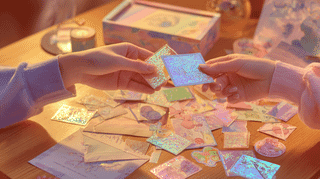
The "sticker exchange" culture that captivated Japanese girls in the 1990s-2000s is making a nostalgic comeback on social media. Now adults, these former Heisei-era kids are reviving their childhood hobby through online communities, blending vintage charm with modern connectivity.
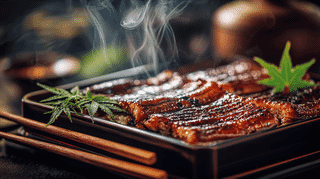
Farmed eels almost always turn out male. Aichi Prefecture's patented soybean-isoflavone feed flips more than 90% of them female, letting farmers raise them to roughly double the usual size without the flesh going tough. The result is "Enman," a branded eel from Mikawa-Isshiki.
Every January 10, Nishinomiya Shrine holds the Fukuotoko race. The overnight lottery for 108 front-row places, the bend where the pileups happen, the 230-meter course, and the runners who took the top spot in 2025 and 2026.
Workwear built for Japanese construction sites now sells as everyday fashion. Workman's shift toward general shoppers, and what performance, price, and design each contributed to the boom.