The Japanese government's JAPAN SUI COLLECTION project made its European debut in Paris in March 2026, showcasing Living National Treasure lacquerwork, Sendai Tansu cabinets, and a Junko Koshino fashion show at Le Royal Monceau. Here's how 'Sui', Japan's philosophy of refined elegance, captivated 200 European leaders.
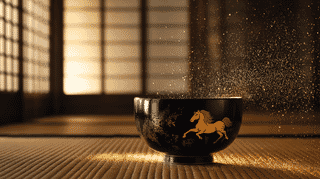
Yamada Heiando, a 107-year-old lacquerware maker that supplies Japan's Imperial Household, collaborates with Pokémon to create handcrafted bowls featuring Ponyta in traditional makie gold-dust technique. Discover how Japan's ancient craft meets pop culture in this 'Only in Japan' fusion, priced at around $110.
On March 31, 2026, NTT Docomo's 3G shutdown renders Japan's beloved garakei flip phones permanently unusable. Explore the rise and fall of Japan's unique mobile culture that gave the world emoji, mobile internet, and camera phones — and why over 500,000 users are losing their connection.
Riding momentum from its US expo debut, Hanamaruki's shio koji business has hit ¥2 billion ($13M). A new TV campaign starring food creator Asuka Wada introduces the reduced-sodium variety for the first time, while the company targets ¥3–5 billion ($20–33M) next. A surprising karaage technique is already generating buzz.
Japanese brand BIBILAB has released the Neko House Desk, a cat house-integrated work desk with four built-in 'nyan gimmicks' for remote workers who share their space with cats. From cat cafés to cat islands, discover how Japan's love for felines shapes everything—even office furniture.
Japan's food service industry hit its 50,000-worker cap under the Specified Skilled Worker visa, and new applications have been suspended since April 13, 2026. The skills test itself is halted too. We look at the gap between labor shortages and immigration caps, compare with South Korea and Singapore, and map what's left for foreign workers.
Asia's 50 Best Restaurants 2026 was unveiled at Hong Kong's Kerry Hotel on March 25. The Chairman reclaims No.1 after five years, and Japan places 8 restaurants, led by Osaka's La Cime, though none reach the top 10 for the first time since 2013. The full breakdown, including the 10 Japanese entries at 51-100.
About 31% of Japanese people now prefer solo cherry blossom viewing over traditional group parties. We explore how rising single-person households, the 'ohitorisama' economy, and solo activities like solo camping are reshaping one of Japan's most iconic spring traditions.
Shohei Hishida, a carpenter artist with over 500,000 Instagram followers and a Forbes Japan 'Culturepreneur' honoree, merges Japanese and Belgian building traditions into homes that age beautifully. His new HUIZEN brand goes nationwide as Gen-Z entrepreneur Ryuun Tsukahara advocates for 'keinen-bika'—the philosophy of beauty through aging.
Japan's sickness benefits topped $4 billion in FY2023, up 60% in five years, driven by surging mental health claims. Explore Japan's structural workplace issues, insurance impacts, and how reforms compare globally.
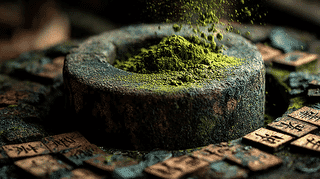
Behind the global matcha craze, Japan's domestic tea prices are surging to unprecedented levels. The cheapest tea grade now costs more than premium first-harvest leaves. With tea farms shrinking and overseas demand exploding, Japan's centuries-old tea culture faces its biggest challenge yet.