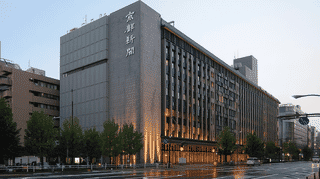
Avani makes its Japan debut in the former Kyoto Shimbun headquarters: a 240-room hotel in central Kyoto, opening around fiscal 2029, with a restaurant in the old printing-press hall.
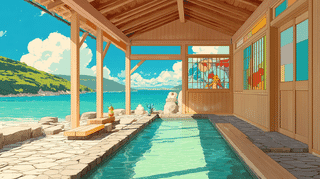
A free Pokemon footbath opened in May to help quake-hit Noto recover. Less than two months later, three of its seven statues (Vaporeon, Psyduck and Gyarados) are damaged, and one has prompted a police report. A look at what happened and how Japan is reacting.
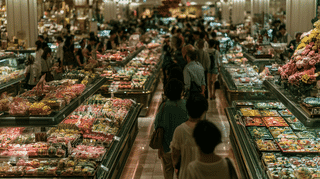
Foreign visitors spent ¥2.07 trillion (~$12.9B) on food in Japan in 2025, 21.9% of all inbound spending. What 42 million tourists eat, the dietary-diversity gap, and how to plan a gourmet trip.
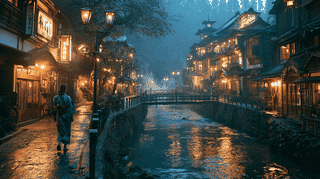
On June 19, 2026, Iizaka Onsen in Fukushima launched a town-wide all-inclusive plan: one ¥25,000 passport for 16 inns, 13 baths, and 25 shops, with local sake, disc gyoza, and day-baths on the house. A look at a shrinking spa town's bet on a whole-district tourism model.
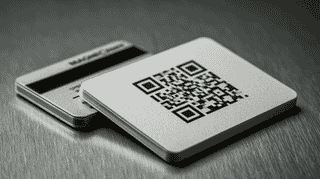
JR East will phase out magnetic short-distance train tickets in spring 2027, replacing them with QR-code paper tickets. We break down the environmental and cost reasons, why almost no one will notice, and the small ritual that is quietly disappearing.
A stray calico named Tama once saved a doomed rural rail line. Now Japan's Wakayama Electric Railway plans to turn the whole route into 'Nyanderland', a cat nation with passports, visas, and a queen.
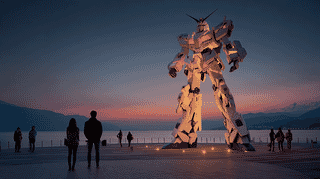
Tokyo's life-size Unicorn Gundam in Odaiba is being redressed with new decals by original designer Hajime Katoki before its end-of-August removal. Here is what the Ver. TWC FINAL makeover involves, the final nightly light-up lineup, the free headband campaign, and how to see it before it's gone.
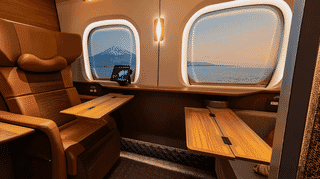
JR Central and JR West unveil Supreme Class, the Tokaido-Sanyo Shinkansen's new top tier: a private cabin with a locked door, free service, and a steep price. Here's the cost and how visitors can book it.
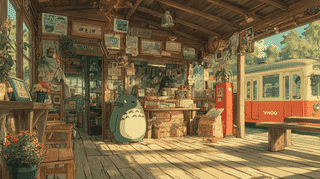
Studio Ghibli specialty chain Donguri Republic opens its first U.S. store as a pop-up near Los Angeles. Dates, hours, perks, and why the chain isn't actually new to overseas markets.
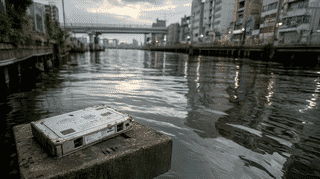
A hard drive on a concrete pillar in a Tokyo canal, rumored to hold trillions of yen in Bitcoin, was finally identified as an enterprise HGST drive. Then, a day after going viral, someone took it. The math, the law, and the vanishing act.
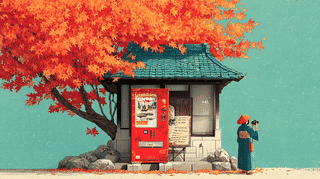
Steps from Nikko's World Heritage shrines stands a vending machine selling antique kimono jackets for a flat 1,000 yen, with the catch that you never know which one you'll get. Here's the story behind Japan's kimono gacha and the small theater that created it.