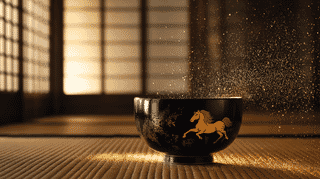
Yamada Heiando, a 107-year-old lacquerware maker that supplies Japan's Imperial Household, collaborates with Pokémon to create handcrafted bowls featuring Ponyta in traditional makie gold-dust technique. Discover how Japan's ancient craft meets pop culture in this 'Only in Japan' fusion, priced at around $110.
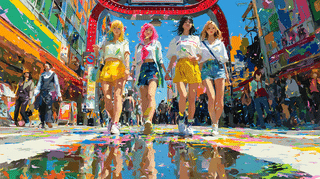
From Kyary Pamyu Pamyu to Atarashii Gakko!, FRUITS ZIPPER, and CANDY TUNE — Asobisystem CEO Yusuke Nakagawa has spent 18 years turning Harajuku's Kawaii culture into a global pop ecosystem. Discover how his KAWAII LAB. project produced two NHK Kohaku acts and a Tokyo Dome headliner in 2025.
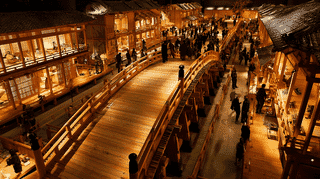
The Edo-Tokyo Museum in Ryogoku reopened on March 31, 2026 after a four-year renovation. Featuring new exhibits including life-size models, projection mapping, and immersive Edo-period experiences, plus nearby sumo attractions and travel tips.
On March 31, 2026, NTT Docomo's 3G shutdown renders Japan's beloved garakei flip phones permanently unusable. Explore the rise and fall of Japan's unique mobile culture that gave the world emoji, mobile internet, and camera phones — and why over 500,000 users are losing their connection.
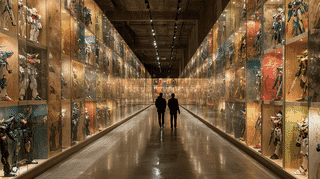
On March 24, 2026, Japanese lawmakers launched the MOKEI Culture Promotion Parliamentary League, chaired by former Foreign Minister Yoko Kamikawa, to position plastic models as a national cultural asset. From Shizuoka's Bandai Hobby Center museum to Gundam Base Tokyo and Akihabara shops, discover why Japan's model kit culture deserves global recognition.
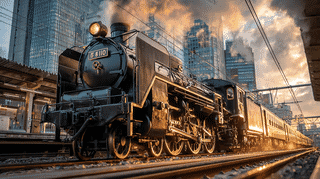
On March 28, 2026, Nagoya City Science Museum unveiled 'Railway Square,' featuring the world's only surviving German-made B6 steam locomotive from 1904. Powered by compressed air, this 120-year-old engine now moves its wheels, sounds its whistle, and puffs smoke in downtown Nagoya — for free. Includes a rail fan travel route with SCMAGLEV and Railway Park and Meiji-mura.
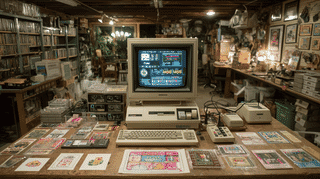
The Game Preservation Society, a Japanese NPO dedicated to archiving retro games, marks its 15th year with an in-depth interview with President Joseph Redon. From battling mold on 1980s floppy disks to navigating legal gray zones around preserving mobile phone games, the organization races against time to digitize 18,000 titles before they're lost forever. With over 60% of supporters now from overseas, Japan's gaming heritage is gaining global recognition—but funding and manpower remain critical challenges.
Asia's 50 Best Restaurants 2026 was unveiled at Hong Kong's Kerry Hotel on March 25. The Chairman reclaims No.1 after five years, and Japan places 8 restaurants, led by Osaka's La Cime, though none reach the top 10 for the first time since 2013. The full breakdown, including the 10 Japanese entries at 51-100.
JR Central and JTB have launched the Hokusai Special Train, a foreign-tourist-only sightseeing train running from Mishima to Fujinomiya with Mt. Fuji views and Ukiyo-e art interiors. Part of a full-day tour at $151, this is Japan's latest approach to premium inbound tourism. Here's everything you need to know about booking and what to expect.
About 31% of Japanese people now prefer solo cherry blossom viewing over traditional group parties. We explore how rising single-person households, the 'ohitorisama' economy, and solo activities like solo camping are reshaping one of Japan's most iconic spring traditions.
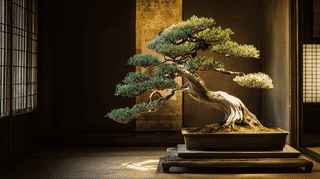
The global bonsai market is projected to reach roughly $13 billion by 2030, growing about 10% a year. Explore why wabi-sabi aesthetics are captivating the world, bonsai philosophy, and must-visit spots like Omiya Bonsai Village.
Shohei Hishida, a carpenter artist with over 500,000 Instagram followers and a Forbes Japan 'Culturepreneur' honoree, merges Japanese and Belgian building traditions into homes that age beautifully. His new HUIZEN brand goes nationwide as Gen-Z entrepreneur Ryuun Tsukahara advocates for 'keinen-bika'—the philosophy of beauty through aging.
Discover the Owari Tsushima Wisteria Festival at Tennogawa Park in Aichi Prefecture. Walk beneath a 275-meter canopy of cascading purple blooms across 12 varieties of wisteria. Just 25 minutes from Nagoya by train, this post-cherry blossom spring destination features stunning water reflections and magical nighttime illuminations. Plus: the cultural significance of wisteria in Demon Slayer and Japanese tradition.
Jujutsu Kaisen Season 3 Episode 10 features Takaba's full debut in his iconic 'Center Man' costume, complete with intentional animation 'collapse' and perfectly timed comedic silences. We break down his reality-warping cursed technique 'Comedian' and the classic Japanese comedy references international fans need to know.
A pop-up convenience store in Tokyo where everything is free — if you can grab it without making a sound. The third edition of TOH, created by rapper TaiTan and partnered with Red Bull, fills a store with BMX bikes, skateboards, frozen ramen, and apparel. You have 60 seconds. One noise and you're out. Here's what happened at Japan's craziest experiential event.
Hi-STANDARD's iconic punk rock festival AIR JAM returns on November 7, 2026 at ZOZO Marine Stadium after an 8-year hiatus. Announced in Sendai on the 15th anniversary of the 2011 earthquake, the festival marks the band's triumphant comeback after losing drummer Tsuneoka Akira — with new member ZAX carrying the torch forward.
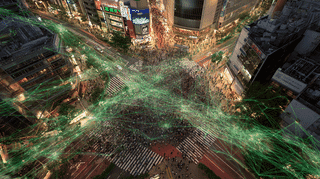
Japan earned the top spot in the World Travel Index 2026 with a score of 88.33, widening its lead over competitors for a second consecutive year. With record 42.7 million visitors and $60 billion in spending in 2025, Japan's blend of safety, infrastructure, cuisine, and yen-driven value is unmatched — but overtourism and labor shortages pose real challenges on the road to its 60 million visitor target by 2030.
Mongolian-born Tamawashi tied the all-time makuuchi appearance record at 1,470 on March 10, 2026, took it outright the next day, and pushed it to 1,497. Then a 2-13 in May dropped him to juryo for the first time in 13 years, ending his 1,152 consecutive top-division streak. His 1,793 streak from debut is still alive.
Hanamaruki rebranded its liquid shio koji at Natural Products Expo West 2026 in Anaheim, moving a gold-colored fermented seasoning that had been business-to-business only abroad into US retail with 210 ml bottles and an organic version. Can rice koji, salt and water follow miso and shoyu into the global vocabulary?
Toshiba's C-type escalator, whose handrail drops vertically into the floor instead of looping, existed in just two places: the 8th and 9th floors of Nagoya's Meitetsu Department Store. They stopped when the store closed on February 28, 2026, after 71 years. Demolition is now on hold and Yodobashi Camera is moving in.