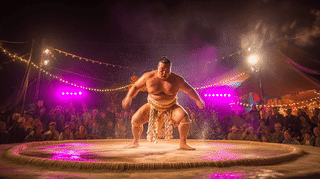
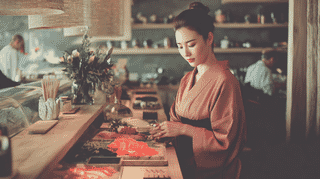
Japan's sumo entertainment brand HIRAKUZA debuts at Adelaide Fringe, the Southern Hemisphere's largest arts festival. With 33 performances over five weeks, this marks a major step in bringing authentic sumo culture to global audiences through immersive stage shows.
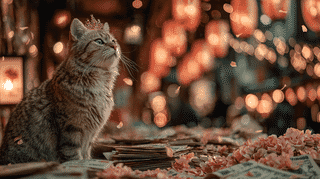
Japan's cat-driven economy "Nekonomics" has reached approximately $19 billion in 2026, rivaling the Osaka World Expo. Explore the booming cat cafés, cat islands, feline health tech startups, and the unique cultural forces powering Japan's extraordinary cat business ecosystem.
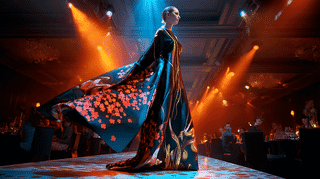
Kyoto University professor Naoko Tosa showcased "disaster-prevention fashion" made from fire-resistant materials at Japan Society during New York Fashion Week. Her fusion of art, technology, and disaster preparedness is capturing global attention as a uniquely Japanese innovation.
Learners of Japanese abroad have grown 31.5-fold, from 127,167 when the Japan Foundation's survey began in fiscal 1974 to 4,000,750 today across 143 countries and territories. Manga and anime drive much of it: Demon Slayer's Infinity Castle chapter closed at 117.9 billion yen worldwide, the top gross for any Japanese film. Meanwhile about half of Japan's Japanese teachers are volunteers.
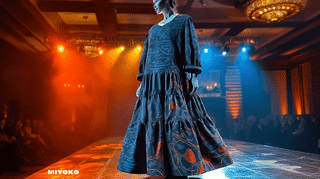
Japanese fashion brand MIYOKO unveils its latest collection in New York during Fashion Week 2026, transforming traditional kimono fabrics—including Yuki-tsumugi, Ojiya-tsumugi, Hon-Shiozawa, and Yuzen—into 14 contemporary garments. Backed by 50 years of craftsmanship, the brand showcases Japanese textile heritage on a global stage at Manhattan's historic St. Bartholomew's Church.
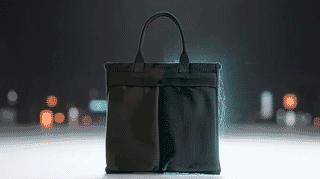
A Kyoto-based tech company TASKMATE has developed a blade-resistant tote bag that doubles as a protective shield in emergencies. Featuring their proprietary cut-resistant fiber CYGUS® and artisan sewing from Kagawa Prefecture, this Made-in-Japan security product showcases how Japanese craftsmanship is entering the personal safety market.
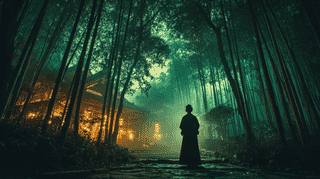
JTB's new immersive cultural brand "Kagerohi" offers a 3.5-hour multi-sensory journey at Kamakura's Hokokuji Temple for about $920 per person. Blending Noh vocal art, cello, storytelling, and gastronomy, it represents a seismic shift in Japan's luxury inbound tourism from quantity to quality.
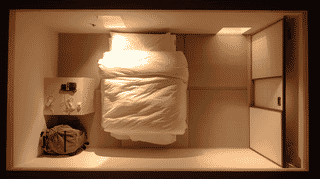
A Japanese man living in just 1.5 tatami mats (28 sq ft / 2.6 sqm) has gone viral. With a futon taking up 90% of his room, his lifestyle embodies the ancient Japanese proverb "standing needs half a mat, sleeping needs one." Explore Japan's micro-housing culture, share houses, and the rise of extreme minimalism.
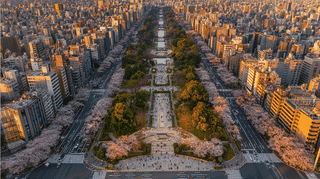
Japan has only three roads that are 100 meters (328 feet) wide. Born from post-WWII reconstruction plans, these massive boulevards in Nagoya and Hiroshima serve as firebreaks, parks, and symbols of resilience. Discover the fascinating history behind these engineering marvels.
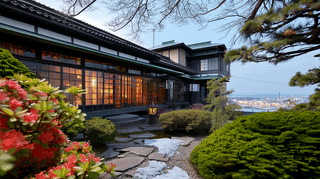
A 1908 mansion built by Hakodate's wealthiest merchant is reborn as a 3-room heritage hotel. Japan's new "Kazeno Heritage" brand lets guests sleep inside nationally designated cultural properties — and help preserve them.
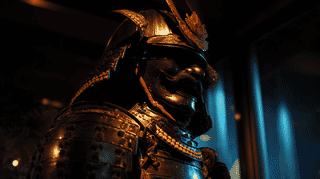
The British Museum's first-ever "Samurai" exhibition ran February 3 to May 4, 2026 in London. Featuring around 280 objects from 29 lenders worldwide, including armor gifted by the Tokugawa family to Queen Victoria, contemporary art by Tetsuya Noguchi, and video game tie-ins with Assassin's Creed and Nioh 3, this sweeping show traced 1,000 years of warrior myth and reality. Here's everything you need to know, plus Japanese public reactions.
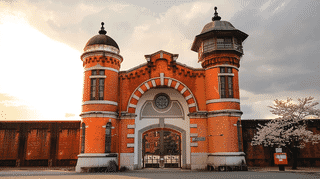
A 117-year-old Meiji-era prison designated as an Important Cultural Property has been transformed into HOSHINOYA Nara Prison, which opened June 25, 2026. Experience luxury suites created by connecting solitary cells of about 5㎡ each, starting at $1,000/night. Discover Japan's first prison hotel.
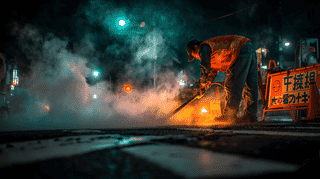
Discover why Japan's road markings like "STOP" signs aren't painted with regular paint, but created using special thermoplastic resin melted at 180-200°C. Learn about its 3-minute drying time in winter, glass bead reflectivity for night visibility, and the skilled craftsmen who work as "human printers" to apply it.
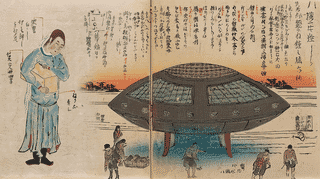
Japan's National Archives now sells a clear file featuring "The Barbarian Woman of Utsuro-bune" - a mysterious disc-shaped vessel that allegedly washed ashore in 1803 with a foreign woman inside. Discover how this Edo-period historical document from "Kōken Zuihitsu," known globally as Japan's UFO incident, is merging Japanese mystery with pop culture.
In its December 2024 update, the Oxford English Dictionary added 11 words of Japanese origin, including yokai, senpai and mottainai. With anime and manga spreading worldwide, Japanese is gaining influence in English. Here are all 11 words and the culture behind them.
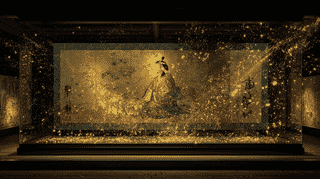
Japan's National Treasure "Prince Shotoku Illustrated Biography" (1069 CE) is now free to view online with ultra-high-definition 3.6 billion pixel images. Available in Japanese, English, Chinese, and Korean. This groundbreaking digital archive project launched in January 2026 lets you explore details invisible to the naked eye from anywhere in the world.
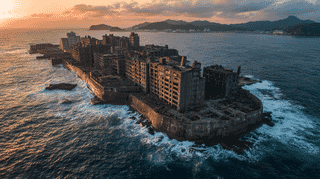
The Kawaru Haikyo Exhibition 2026 ran in Asakusabashi, Tokyo in February-March 2026 and in Nagoya in April. In its 11th year, the photo show reframes ruins as beauty, reflecting a distinctly Japanese aesthetic, and premiered drone footage of Gunkanjima and European ruins. A look at its links to wabi-sabi.
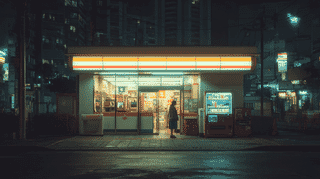
Japan's convenience store toilets face an uncertain future. A FamilyMart's controversial sign demanding ¥1.5 million in cleaning fees went viral on social media. With 40% of toilet users leaving without purchasing anything and store owners bearing all maintenance costs, the debate over paid toilets is heating up. Discover Japanese and international perspectives on this uniquely Japanese social phenomenon.
A look back at "Moving Ukiyo-e Exhibition OSAKA," which ran at Grand Front Osaka from January 17 to March 14, 2026. Over 300 prints by Hokusai, Sharaku and others were set in motion with 3DCG and projection mapping across seven immersive spaces. The tour moved on to Hiroshima in summer 2026.
Discover where and when to avoid wearing perfume in Japan, including Japanese restaurants, sushi bars, hospitals, and funerals. Learn about Japan's unique "unscented culture" and understand why fragrance etiquette matters so much in this country known for its consideration of others.