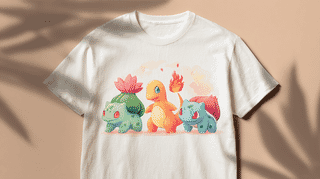
A pop-up convenience store in Tokyo where everything is free — if you can grab it without making a sound. The third edition of TOH, created by rapper TaiTan and partnered with Red Bull, fills a store with BMX bikes, skateboards, frozen ramen, and apparel. You have 60 seconds. One noise and you're out. Here's what happened at Japan's craziest experiential event.
Toshiba's C-type escalator, whose handrail drops vertically into the floor instead of looping, existed in just two places: the 8th and 9th floors of Nagoya's Meitetsu Department Store. They stopped when the store closed on February 28, 2026, after 71 years. Demolition is now on hold and Yodobashi Camera is moving in.
Once struggling to gain a foothold in Western markets, Japan's Uniqlo has surged to 47th on Interbrand's Best Global Brands 2025 ranking. With overseas revenue exceeding 56% and Europe and North America now level with China, we break down the strategies behind this turnaround: from outfitting Sweden's Olympic team to its LifeWear philosophy and differentiation from ZARA and H&M. What can other Japanese brands learn from Uniqlo's global conquest?
On February 19, 2026, Rakuten Group and Google announced Japan's first YouTube Shopping Affiliate Program partnership, letting viewers buy Rakuten Ichiba products without leaving the video. Japan is the 12th market for the program, after 11 earlier ones.
What if your pajamas could heal you while you sleep? In Japan, "recovery wear" (clothing infused with ceramic minerals that emit far-infrared rays to boost blood circulation) has become a national craze, even earning a Word of the Year nomination. Budget chains Workman, Nitori and Aeon have pushed entry prices down to single digits in dollars. Here's what recovery wear is, why millions of Japanese are buying it, and how the sales numbers look through mid-2026.
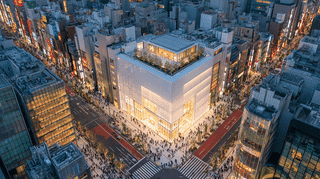
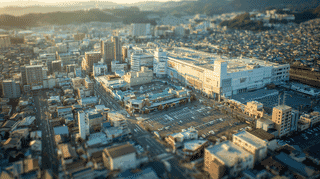
From Ito-Yokado to Parco and Meitetsu Department Store, commercial facilities across Japan are shutting down at an alarming rate. With e-commerce growth, population decline, and aging buildings converging, redevelopment plans remain uncertain. We explore the impact on local economies and what comes next.
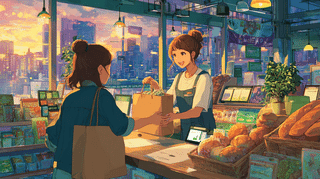
Denmark-born food waste reduction app "Too Good To Go" launched in Japan on January 28, 2026, marking its first expansion into Asia. With over 500 million meals saved across 21 countries, the "Surprise Bag" model now partners with 80+ stores including FamilyMart and Krispy Kreme in Tokyo. Learn how this win-win-win system benefits consumers, businesses, and the environment while fighting food waste.
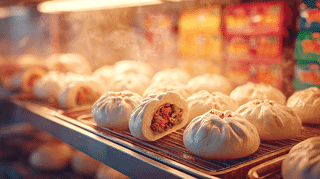
Japanese convenience store steamed buns (chukaman) are undergoing a remarkable evolution. From super-sized meat buns to sweet varieties like hotcake and chocolate buns, and international flavors like Korean and Taiwanese cuisine, discover how the Big Three convenience stores are competing in this 60 billion yen market with innovative creations.
Japan's convenience store toilets face an uncertain future. A FamilyMart's controversial sign demanding ¥1.5 million in cleaning fees went viral on social media. With 40% of toilet users leaving without purchasing anything and store owners bearing all maintenance costs, the debate over paid toilets is heating up. Discover Japanese and international perspectives on this uniquely Japanese social phenomenon.
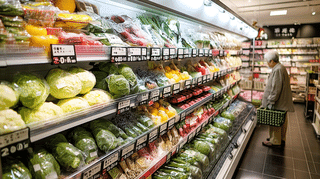
Japan's mini supermarket chain 'My Basket' is rapidly expanding with over 1,290 stores and plans for 200+ new locations annually. This retail revolution is driven by Japan's aging population, rising single-person households, and changing urban lifestyles. Discover why compact neighborhood stores are replacing large supermarkets.
With Fast Retailing (Uniqlo) at a market cap of roughly 27 trillion yen and its domestic business past one trillion yen in revenue, a single brand holds nearly 10% of Japan's apparel market. Explore how legacy brands like Onward and Sanyo Shokai are pivoting to survive in this new era.