Major Chinese restaurant chains are rapidly expanding into Japan. From Haidilao hot pot to Yang Guo Fu malatang to MIXUE's budget drinks, we explore the brands entering Japan, the factors driving expansion including domestic competition and the Japanese Chinese population, and the impact on Japan's food service industry.
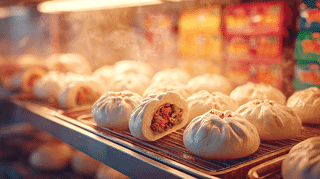
Japanese convenience store steamed buns (chukaman) are undergoing a remarkable evolution. From super-sized meat buns to sweet varieties like hotcake and chocolate buns, and international flavors like Korean and Taiwanese cuisine, discover how the Big Three convenience stores are competing in this 60 billion yen market with innovative creations.
Explore how Japanese patissiers uniquely evolved French pastry to win back-to-back Pastry World Cups. Discover the history of Japan-born "French pastries" like yellow Mont Blanc and fluffy strawberry shortcake, plus how Japanese techniques are being reverse-imported to France. Includes 2025's trending flan pâtissier.
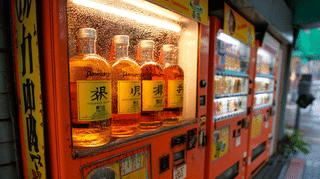
A unique ponzu vinegar vending machine in Osaka's Tsuruhashi district offers a bold "money back if you don't like it" guarantee. Created by a former banker turned fugu chef, this innovative business repurposes old sake shop machines to sell handcrafted citrus-soy sauce 24/7, representing the adventurous spirit of Japanese vending machine culture.
Japan's winter ice cream market is booming — spending has doubled in 20 years, with 2024 sales hitting a record 645.1 billion yen. Discover how Morinaga's PARM success, 2000s manufacturing innovations, "kotatsu ice cream" culture, and winter-limited product strategies transformed an industry that once "burned through summer profits in winter."
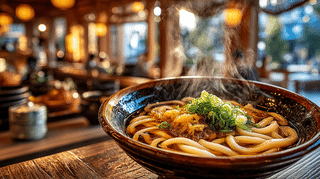
Japanese udon is taking the world by storm. At Narita Airport, over half the customers are international visitors. Overseas, dedicated fans pay $26 per bowl daily. Marugame Udon has expanded to 307 stores worldwide. Discover why foreigners are falling in love with Japan's beloved noodle and share your country's udon experiences!
Ever wondered why Japanese cup noodles have different cooking times - 3, 4, or 5 minutes? Nissin Foods reveals the key factor is noodle thickness. Discover the fascinating science behind instant noodle technology, from flash-frying methods to non-fried noodles, and learn about Japan's unique instant ramen culture.
A Shinshu University and Asahimatsu Foods study found that resistant protein in koya-dofu (freeze-dried tofu) raised GLP-1 production via gut bacteria and curbed weight gain and fatty liver in mice. Effects in humans have not yet been tested. Here is the mechanism and what remains to be shown.
Restaurant Kamakura Village opens each year from late January to the end of February at Kamakura no Sato in Iiyama, Nagano. Diners sit inside a real snow hut over a pot of Noroshi Nabe simmered in Shinshu miso, and after dark more than 20 huts are lit from within. The 2026 season ran from January 23 to March 1.
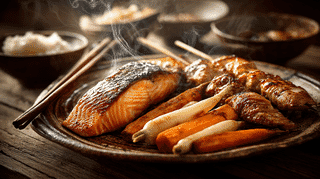
Discover Japan's unique food culture of eating fish skin, chicken skin, and vegetable peels. Rooted in the "mottainai" philosophy of zero waste, Japanese cuisine transforms these nutritious parts into delicious dishes. Learn about traditional cooking methods and health benefits.
Discover why American-style cookies are becoming a sensation in Japan. From their signature soft and chewy texture to unique Japanese adaptations, explore the trend sweeping Japanese bakeries and how local patissiers are putting their own spin on this beloved American treat.
Japan's beloved ikura (salmon roe) reaches record-breaking prices due to severe salmon shortages. Discover how climate change and declining catches in Hokkaido are transforming sushi restaurants and Japanese dining tables, and what this means for the future of Japanese cuisine.
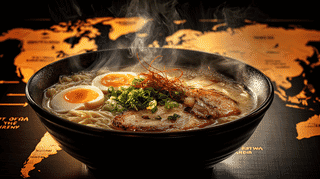
Yoshinoya Holdings plans to quintuple its ramen revenue to 40 billion yen in five years and reach 500 stores, aiming to serve more bowls of ramen than anyone in the world by fiscal 2034. Why is Japan's beef bowl king betting on ramen, and can the strategy work?
Global demand for matcha has doubled Japan's green tea exports to 72.1 billion yen in 2025 and driven domestic leaf prices sharply higher. What is happening to growers, confectioners and everyday tea drinkers, and how the 2026 crop opened.
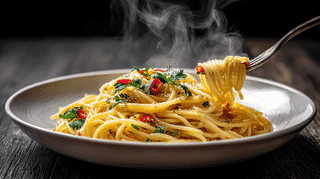
A midnight dish thrown together when the fridge is empty, Peperoncino is a humble Neapolitan classic Italians know as "poor man's pasta" or a midnight spaghettata. So how did Japan turn it into a restaurant favorite and a test of a cook's skill? A look at its deceptive simplicity, Japan's inventive variations, and the local obsession with emulsification.
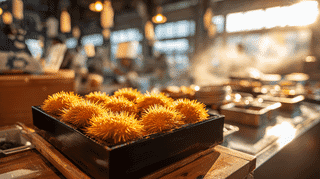
At Toyosu Market's 2026 New Year auction, a purple sea urchin from Hakodate sold for a record 35 million yen, about 87,500 yen per gram, five times the previous year's top lot. The million-yen uni bowl, a 23-fold rise in two years, and why uni keeps getting pricier.
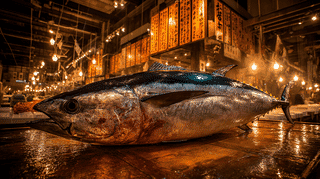
At Toyosu Market's 2026 New Year auction, a 243kg Oma bluefin sold for a record 510.3 million yen, about $3.2 million, to the Sushi Zanmai operator Kiyomura. What ichiban maguro means, how the ceremonial premium works, what the fisherman keeps, and where the stock stands.
Japanese mayonnaise celebrates its 100th anniversary in 2025. From being mistaken for hair pomade to becoming a beloved condiment in 79 countries, discover the fascinating history of Kewpie mayonnaise and why it's taking the world by storm.
Japan's beloved Garigari-kun popsicle will increase to 90 yen from March 2026 due to rising logistics and material costs. Explore the price history since 1981 and reactions from Japanese consumers and international perspectives.