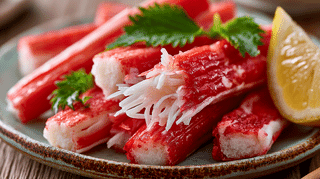
The crab stick in your salad or sushi roll traces back to a small town on Japan's Noto Peninsula, where it was invented as one of the country's great postwar food breakthroughs. The global surimi market is worth several billion dollars, roughly half of it crab sticks. Riding a wave of fish-eating and high-protein diets, kanikama is spreading fast, so why is Japan's surimi know-how so hard to imitate, and how is it sold abroad?
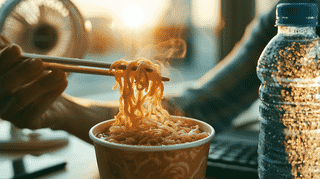
Nissin launched the first-ever cold-water-only Cup Noodle on July 20. Its patented Cold Rehydrate technology turns fridge-chilled water into chewy noodles in 5 minutes. Here's how Japan, birthplace of instant ramen, keeps reinventing it.
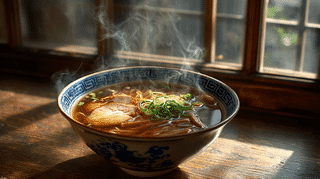
The 1910 Asakusa shop credited with inventing soy-sauce ramen and spreading the '-ken' naming culture is back. As ramen overtakes sushi with global tourists, the founder's great-great-grandson revives a legend.
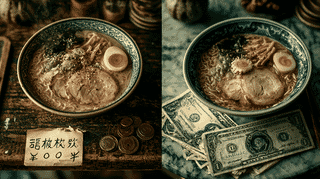
Japan saw a record 36 ramen shop bankruptcies in the first half of 2026. While the world pays $18 a bowl, shops in ramen's homeland collapse against a cultural price ceiling of 1,000 yen (about $6). Here is the structural squeeze behind the paradox.
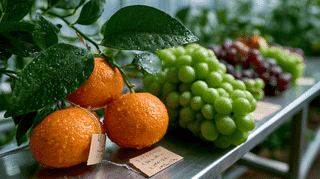
Japan has rewritten its seed law to add ten years to breeders' rights and let officials block exports even before a variety is registered. We unpack the bill enacted on July 17, 2026, the suspected leak of Ehime's premium citrus to China, and why the 2020 version left a hole that fruit pirates walked right through.
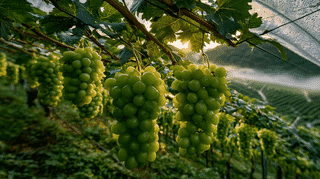
Japan estimates the leak of its Shine Muscat grape to China and South Korea costs about $120 million a year. We unpack how a missed registration deadline, a strawberry precedent and a too-late seed law left one of Japan's best fruits unprotected abroad.
Foreign visitors spent ¥2.07 trillion (~$12.9B) on food in Japan in 2025, 21.9% of all inbound spending. What 42 million tourists eat, the dietary-diversity gap, and how to plan a gourmet trip.
On June 19, 2026, Iizaka Onsen in Fukushima launched a town-wide all-inclusive plan: one ¥25,000 passport for 16 inns, 13 baths, and 25 shops, with local sake, disc gyoza, and day-baths on the house. A look at a shrinking spa town's bet on a whole-district tourism model.
Anglers curse it, and it devours kelp forests. Now a patent-pending method to kill the rabbitfish's notorious stench has Japan talking. A look at turning a nuisance fish into food, and how the world is doing the same.
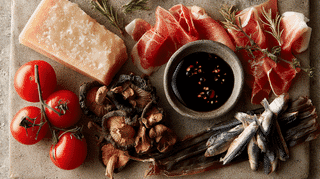
Pepperoni pizza and parmesan are loaded with umami. Everyone tastes it, yet a Japanese chemist named it in 1908. The story of Kikunae Ikeda, the century the West shrugged, and the receptor that finally proved him right.
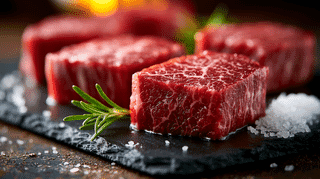
Kobe Beef and Miyazaki are on menus worldwide, yet Mishima and Iga beef never leave Japan. As wagyu exports hit record highs, here is why some brands cross the ocean and others stay home, from breeds and slaughterhouses to the stalled China resumption.
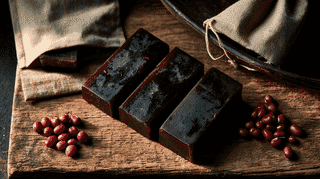
A Chiba startup has rebuilt yokan into an energy bar now test-selling in Japan and Australia. Here is why this centuries-old confection is one of the smartest survival foods ever made.
Why did Yamasa, a soy sauce maker founded in 1645, end up in pharmaceuticals? The story of how umami research led to nucleotides, and to pseudouridine, a key ingredient in mRNA vaccines.
Corn and mayonnaise on pizza, bread and salad is everyday food in Japan but baffles the world. A look at Hokkaido's corn history and what makes Japanese mayo so different.
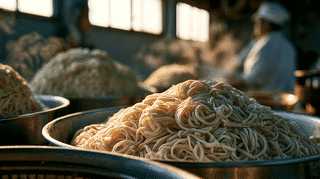
Kagawa, Japan's self-styled udon prefecture, throws away thousands of tons of noodles a year. Two teams found wildly different uses for the waste: a small factory that turns it into electricity, and a professor who turns it into surprisingly tough paper grown by microbes, now made at a welfare facility for Marugame's traditional fans.
Tourists are buying Japanese knives in record numbers, and makers are posting all-time-high profits. But there's a tier money can't fast-track—where top chefs wait years. Meet three masters: Sakashita, Nenohi, and Yu Kurosaki.
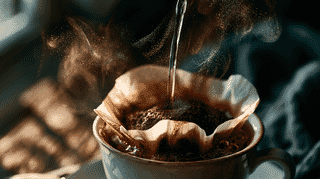
In Japan's science city of Tsukuba, a coffee roaster and the KEK physics lab created five drip-bag blends named after subatomic particles, each tuned to the particle's real character. Why visiting researchers love them as souvenirs.
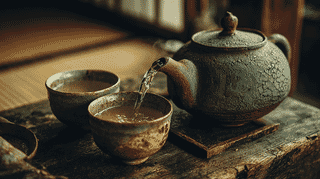
While matcha sells out worldwide, the kyusu, the side-handled teapot once found in every Japanese home, is quietly disappearing. What a kyusu is, where its odd shape came from, why it fell out of use, and why you should try a cup brewed in one when you visit Japan.
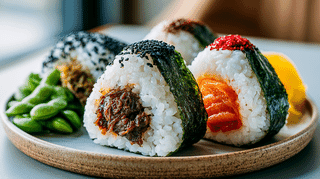
Japanese izakaya group Watami has acquired a 51% stake in Onigilly, a San Francisco onigiri chain, a bet on America's rice-ball boom. But the buyer is also a company long known in Japan as a symbol of 'black company' overwork culture. We unpack the deal, why onigiri became a healthy, photogenic US lunch, and who Watami really is.
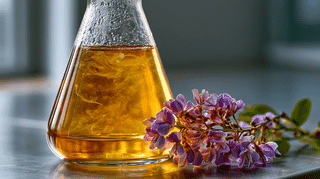
In the American South, kudzu is a notorious invasive weed. In Japan, its flower yields tectorigenin, a supplement compound. A RIKEN team has now decoded how the flower makes it and brewed it in yeast, with no kudzu required.