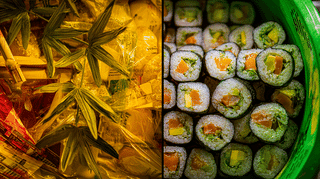
Japan's food service industry hit its 50,000-worker cap under the Specified Skilled Worker visa, and new applications have been suspended since April 13, 2026. The skills test itself is halted too. We look at the gap between labor shortages and immigration caps, compare with South Korea and Singapore, and map what's left for foreign workers.
Asia's 50 Best Restaurants 2026 was unveiled at Hong Kong's Kerry Hotel on March 25. The Chairman reclaims No.1 after five years, and Japan places 8 restaurants, led by Osaka's La Cime, though none reach the top 10 for the first time since 2013. The full breakdown, including the 10 Japanese entries at 51-100.
Behind the global matcha craze, Japan's domestic tea prices are surging to unprecedented levels. The cheapest tea grade now costs more than premium first-harvest leaves. With tea farms shrinking and overseas demand exploding, Japan's centuries-old tea culture faces its biggest challenge yet.
Discover the Owari Tsushima Wisteria Festival at Tennogawa Park in Aichi Prefecture. Walk beneath a 275-meter canopy of cascading purple blooms across 12 varieties of wisteria. Just 25 minutes from Nagoya by train, this post-cherry blossom spring destination features stunning water reflections and magical nighttime illuminations. Plus: the cultural significance of wisteria in Demon Slayer and Japanese tradition.
Japan earned the top spot in the World Travel Index 2026 with a score of 88.33, widening its lead over competitors for a second consecutive year. With record 42.7 million visitors and $60 billion in spending in 2025, Japan's blend of safety, infrastructure, cuisine, and yen-driven value is unmatched — but overtourism and labor shortages pose real challenges on the road to its 60 million visitor target by 2030.
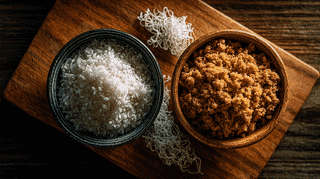
Agro Ludens started mass-producing CoMeat, a rice-derived mycoprotein made with koji fermentation, at its Nasu plant in Tochigi in April 2026. It uses processing-grade rice, not table rice, and Japan's agriculture ministry approved mycoprotein as a new-market rice use in March. Plus: Japan's swing from rice shortage to rice glut, Beyond Meat down 99%, and why JR East is now farming.
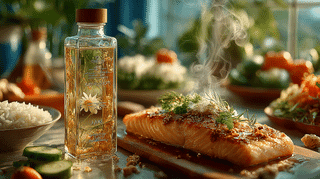
Hanamaruki rebranded its liquid shio koji at Natural Products Expo West 2026 in Anaheim, moving a gold-colored fermented seasoning that had been business-to-business only abroad into US retail with 210 ml bottles and an organic version. Can rice koji, salt and water follow miso and shoyu into the global vocabulary?
16-time Grammy winner Bruno Mars marked his first solo album in a decade, 'The Romantic,' with the world's only collaboration cafe, at SHIBUYA TSUTAYA in Tokyo. Album-inspired drinks, Japan-exclusive artwork, and the long list of reasons Bruno keeps coming back to Japan.
A box of 12 "Berrytsu" strawberries just sold for $1,800 at auction in Japan. From $10,700 grape bunches to $39,000 melon pairs, Japan's luxury fruit market defies global norms. Discover the cultural traditions, auction rituals, and branding strategies that make ultra-premium fruit a thriving business in Japan.
Morinaga released seven snacks on March 3, 2026 that owners and their dogs can eat together, a first in the confectioner's 126-year history. A joint study with Tokyo University of Agriculture tested what sharing food actually does, and a veterinarian supervised the recipes. Japan's pet market hit 1.91 trillion yen in fiscal 2024.
A butter confection sold only at Tokyo's Haneda Airport has sparked a souvenir frenzy among international tourists. Born from repurposing skim milk that would otherwise go to waste, "Butter no Itoko" has some flying to Japan just for a taste. We explore how Japan's limited-edition treats and omiyage culture create demand worldwide.
For 6,000 years Japan has eaten fugu, a pufferfish carrying tetrodotoxin, a toxin Japanese authorities describe as 500 to 1,000 times more potent than cyanide, with no known antidote. From a warlord's ban to a prime minister's storm-night dinner, from a Living National Treasure's fatal last meal to a licensing exam half the candidates fail, this is how Japan turned the world's most dangerous fish into high art.
A 2026 survey reveals 70% of Japanese people feel giri-choco (obligation chocolate) culture is fading. While 85% of women don't want to participate in workplace chocolate-giving, over 40% now buy chocolate for themselves. Explore how rising cocoa prices and remote work are transforming Japan's unique Valentine's Day traditions.
Up to 90% of farmed oysters have died in parts of Hiroshima Prefecture, Japan's largest oyster-producing region responsible for 60% of national output. Rising water temperatures, high salinity, and oxygen depletion in the Seto Inland Sea have caused unprecedented damage to a 450-year-old aquaculture tradition. We report on the causes, impact, and what comes next.
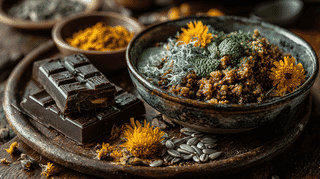
As cocoa prices hit record highs, Japan embraces innovative alternatives — from sunflower seed "chocolate" to soy meat. Discover how rising food costs are reshaping Japanese food culture, driving innovation, and changing consumer habits just in time for Valentine's Day.
UNESCO and Relais & Châteaux have launched sustainable gastronomy pilot projects in 4 regions worldwide. Japan's three-Michelin-star L'Effervescence chef Shinobu Namae joins the initiative at Amami Oshima World Heritage Site, combining eco-friendly fishing with seaweed forest restoration. Discover how fine dining is becoming a force for biodiversity.
Wood-fire cooking is taking the global gastronomy world by storm, sparked by Spain's legendary Asador Etxebarri. Unlike charcoal, firewood imparts unique aromas and flavors from local trees, creating one-of-a-kind dishes. In Japan, rural restaurants in renovated farmhouses are embracing this ancient technique, attracting wealthy food lovers from around the world through "local gastronomy."
Japan's miso exports have surged 7x in 30 years, and natto sells for $20 at high-end NYC supermarkets. Driven by the gut health movement, plant-based eating, and top chefs' fascination, traditional Japanese fermented foods are reshaping global dining. Discover the science behind koji mold, Japan's "national fungus", and how a $250+ billion fermented food market is booming worldwide.
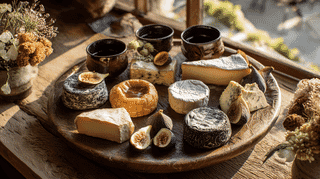
Japan's ALL JAPAN Natural Cheese Contest saw a record 284 entries from 121 workshops nationwide. As the weak yen drives up imported cheese prices, Japanese artisan cheesemakers are winning international acclaim with uniquely Japanese creations, from raclette aged alongside fermented sushi rice bacteria to cheese washed with ancient peat hot spring water. Discover the surprising depth of Japan's domestic cheese revolution.
Japan's 2026 ehomaki (lucky sushi rolls) generate ¥73 billion in economic impact, yet an estimated ¥1.65 billion worth are thrown away. Explore the structural causes behind Setsubun food waste and the tension between cultural tradition and sustainability.