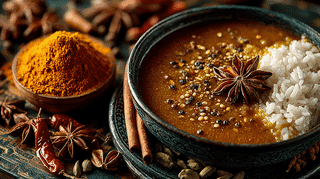
S&B Foods' Golden Curry celebrates its 60th anniversary with a new powder roux featuring 35 spices. Now sold in over 60 countries, Japan's iconic curry brand enters its next chapter.
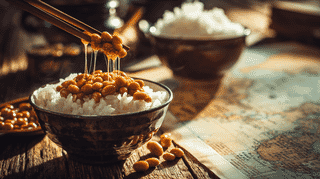
Japan's natto exports hit a record 5,248 tons in 2025, up 44% year-over-year. Driven by global health trends and fermented food hype, natto is conquering new markets. But packaging regulations and Korean competitors pose challenges. Plus: how the world eats natto.
Calbee unveils its 'Accelerate the Future' growth strategy to lift overseas and new-category sales to 50% by 2036. The Japanese snack maker is targeting North America's $4B BFY market with Harvest Snaps, backed by an M&A budget of more than 100 billion yen.
Riding momentum from its US expo debut, Hanamaruki's shio koji business has hit ¥2 billion ($13M). A new TV campaign starring food creator Asuka Wada introduces the reduced-sodium variety for the first time, while the company targets ¥3–5 billion ($20–33M) next. A surprising karaage technique is already generating buzz.
Japan's food service industry hit its 50,000-worker cap under the Specified Skilled Worker visa, and new applications have been suspended since April 13, 2026. The skills test itself is halted too. We look at the gap between labor shortages and immigration caps, compare with South Korea and Singapore, and map what's left for foreign workers.
Asia's 50 Best Restaurants 2026 was unveiled at Hong Kong's Kerry Hotel on March 25. The Chairman reclaims No.1 after five years, and Japan places 8 restaurants, led by Osaka's La Cime, though none reach the top 10 for the first time since 2013. The full breakdown, including the 10 Japanese entries at 51-100.
Agro Ludens started mass-producing CoMeat, a rice-derived mycoprotein made with koji fermentation, at its Nasu plant in Tochigi in April 2026. It uses processing-grade rice, not table rice, and Japan's agriculture ministry approved mycoprotein as a new-market rice use in March. Plus: Japan's swing from rice shortage to rice glut, Beyond Meat down 99%, and why JR East is now farming.
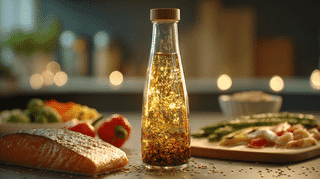
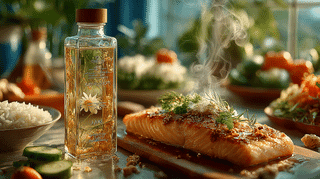
Hanamaruki rebranded its liquid shio koji at Natural Products Expo West 2026 in Anaheim, moving a gold-colored fermented seasoning that had been business-to-business only abroad into US retail with 210 ml bottles and an organic version. Can rice koji, salt and water follow miso and shoyu into the global vocabulary?
A box of 12 "Berrytsu" strawberries just sold for $1,800 at auction in Japan. From $10,700 grape bunches to $39,000 melon pairs, Japan's luxury fruit market defies global norms. Discover the cultural traditions, auction rituals, and branding strategies that make ultra-premium fruit a thriving business in Japan.
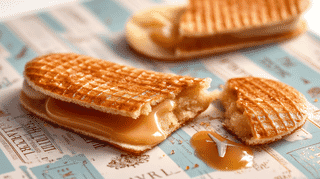
A butter confection sold only at Tokyo's Haneda Airport has sparked a souvenir frenzy among international tourists. Born from repurposing skim milk that would otherwise go to waste, "Butter no Itoko" has some flying to Japan just for a taste. We explore how Japan's limited-edition treats and omiyage culture create demand worldwide.
For 6,000 years Japan has eaten fugu, a pufferfish carrying tetrodotoxin, a toxin Japanese authorities describe as 500 to 1,000 times more potent than cyanide, with no known antidote. From a warlord's ban to a prime minister's storm-night dinner, from a Living National Treasure's fatal last meal to a licensing exam half the candidates fail, this is how Japan turned the world's most dangerous fish into high art.