Anglers curse it, and it devours kelp forests. Now a patent-pending method to kill the rabbitfish's notorious stench has Japan talking. A look at turning a nuisance fish into food, and how the world is doing the same.
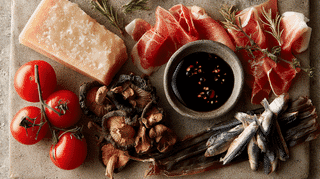
Pepperoni pizza and parmesan are loaded with umami. Everyone tastes it, yet a Japanese chemist named it in 1908. The story of Kikunae Ikeda, the century the West shrugged, and the receptor that finally proved him right.
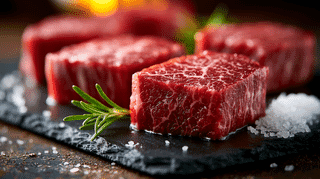
Kobe Beef and Miyazaki are on menus worldwide, yet Mishima and Iga beef never leave Japan. As wagyu exports hit record highs, here is why some brands cross the ocean and others stay home, from breeds and slaughterhouses to the stalled China resumption.
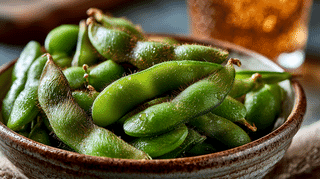
Why is Japan's prized dadachamame edamame so flavorful? Yamagata University traced it to tof11, a broken soybean gene whose accidental failure boosts umami and ripens the beans in summer.
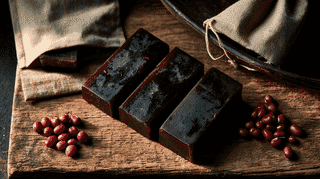
A Chiba startup has rebuilt yokan into an energy bar now test-selling in Japan and Australia. Here is why this centuries-old confection is one of the smartest survival foods ever made.
Corn and mayonnaise on pizza, bread and salad is everyday food in Japan but baffles the world. A look at Hokkaido's corn history and what makes Japanese mayo so different.
Tourists are buying Japanese knives in record numbers, and makers are posting all-time-high profits. But there's a tier money can't fast-track—where top chefs wait years. Meet three masters: Sakashita, Nenohi, and Yu Kurosaki.
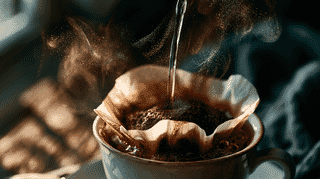
In Japan's science city of Tsukuba, a coffee roaster and the KEK physics lab created five drip-bag blends named after subatomic particles, each tuned to the particle's real character. Why visiting researchers love them as souvenirs.
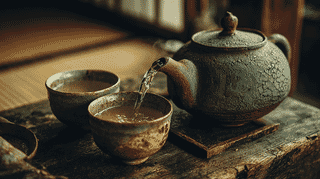
While matcha sells out worldwide, the kyusu, the side-handled teapot once found in every Japanese home, is quietly disappearing. What a kyusu is, where its odd shape came from, why it fell out of use, and why you should try a cup brewed in one when you visit Japan.
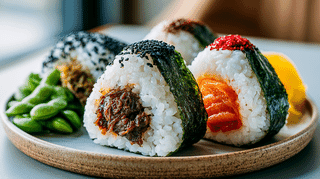
Japanese izakaya group Watami has acquired a 51% stake in Onigilly, a San Francisco onigiri chain, a bet on America's rice-ball boom. But the buyer is also a company long known in Japan as a symbol of 'black company' overwork culture. We unpack the deal, why onigiri became a healthy, photogenic US lunch, and who Watami really is.
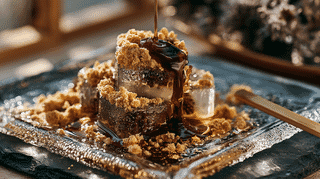
Warabi mochi is a Japanese sweet famous for its jiggly, melt-in-your-mouth texture. We dig into its surprising origin (it is not made from rice), its thousand-year history, the rise of matcha warabi mochi, and why it keeps going viral on TikTok.