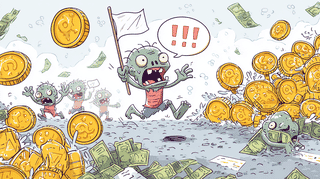
Saudi investment firm EGDC has acquired 5.03% of Capcom's shares, bringing total Saudi-linked ownership to roughly 10%. Known as SNK's parent company, EGDC's move comes amid a broader wave of Middle Eastern capital flowing into Japanese gaming—from the $55 billion EA acquisition to expanded stakes in Nintendo. We break down the latest developments and public reactions.
Japan's Financial Services Agency is tightening scrutiny of regional banks' real estate lending, which has hit a record $770 billion. As BOJ rate hikes stress the property market, we examine cross-border lending risks, lessons from Japan's bubble collapse, comparisons with the US SVB crisis, and the ongoing wave of regional bank consolidation.
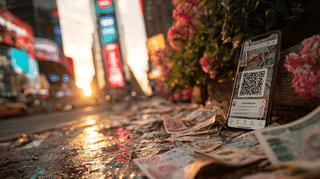
PayPay, Japan's dominant mobile payment app with 73 million users, listed on Nasdaq on March 12, 2026 at $16 per share — below its initial range. Backed by cornerstone investors including ADIA, Visa, and Qatar Holding, it's the largest US IPO by a Japanese firm in a decade. We analyze Japan's cashless revolution and how PayPay compares to global rivals like Alipay and GrabPay.
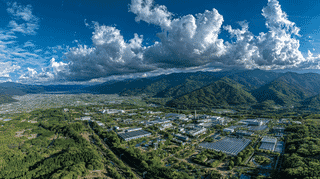
Australian data center giant AirTrunk has expanded its Japan investment to over $8 billion. We analyze the paradox of how Japan's population decline is creating prime opportunities for AI infrastructure, examine the 'Data Center Ginza' cluster in Inzai, and compare Japan's position with Singapore and Southeast Asia.
Sanrio is converting Harmonyland in Hiji, Oita into a stay-and-play resort under its Sky Park plan, announced December 8, 2025: 10 billion yen in initial investment, tens of billions in total, more than a decade to finish. On June 15, 2026 it acquired 30.85 hectares, growing the site roughly fivefold. Targets: one million visitors, then two million.
Japan's government has asked Japan Display Inc. (JDI) to run a $13 billion advanced display factory in the US — part of a $550 billion investment deal to ease Trump tariffs. We break down the defense angle, China dependency risks, and what it means for a company that's been on life support for years.
Toshiba is restructuring approximately $5 billion in debt as it targets a return to the Tokyo Stock Exchange as early as fiscal 2028. From its 2015 accounting scandal through activist investor battles and 2023 privatization, the 150-year-old Japanese icon is now posting record profits. We explore what this means for Japanese corporate governance and how it compares to Dell's private-to-public journey.
Denso proposed a tender offer for Rohm worth up to 1.3 trillion yen (about $8.2 billion), then withdrew it in April 2026 after Rohm's special committee declined to endorse the deal. Consolidation has shifted to a Rohm-Toshiba-Mitsubishi Electric alliance. Here is the competitive picture against Infineon, onsemi, and China's fast-rising players.
Sakana AI, the Tokyo-based startup founded by former Google researchers, has raised $135M to reach a record $2.65B valuation — making it Japan's top unicorn. Citibank made its first-ever strategic investment in a Japanese company through this round. With backing from the CIA's venture arm and Google, Sakana is spearheading Japan's push for sovereign AI.
The Bank of Japan held its policy rate at 0.75% at its March 18-19, 2026 meeting, as oil prices and yen weakness from the late-February Iran conflict weighed on the case for a hike. We cover Deputy Governor Himino and hawk Takata, the reflationist board nominees, the rate gap with the Fed and ECB, the yen carry trade, and the road to the June hike to 1.0%.
SoftBank-backed PayPay listed on the Nasdaq on March 12, 2026. It priced at $16 per ADS, below its $17-20 range, for a market cap of about $10.7 billion, then opened at $19 and closed the next day at $21.14, worth roughly $14.1 billion. Visa, the Qatar Investment Authority and ADIA committed up to $220 million combined as cornerstone investors. The plan: a dual QR and NFC wallet aimed at America's $2 trillion cash market.