Japan's Children and Families Agency asked 100,000 young people about marriage. 35.1% of unmarried respondents said they have no intention of marrying, but only 53.1% of that group said they do not want to.
Japan cremated 99.98% of its dead in fiscal 2024. But the rate was 36.2% in 1915, and the Meiji government banned cremation in 1873 before reversing itself. Land, cholera policy and local ordinances built that number.
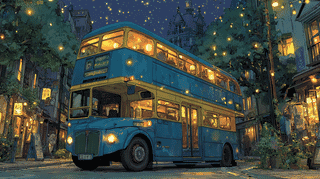
SUSHI BUS puts a working conveyor-belt sushi lane on the upper deck of an open-top double-decker and sends it around Tokyo from October 2026. Seventy minutes, all you can eat, 20 seats.
That blank, open-mouthed face your cat makes after a sniff may finally have an explanation: 13 branched-chain fatty acids in urine, blended to a ratio unique to each cat and stockpiled in the kidney.
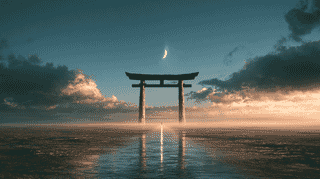
A high-kick photo under a torii split Japan, and shrine officials said Shinto has no rules to break. A country of 123 million reports 175 million adherents, yet only 26 percent claim a faith.
On August 7, 2026, Japan's mechanical engineers added six objects to their Mechanical Engineering Heritage list, now 138 long: a camera that hit 45,000 frames a second in the 1920s, and a micrometer kept on a home altar.
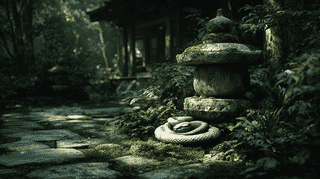
A shrine in Iwakuni held a memorial for 281 white snakes that died in one year, the most since records begin in 2009. Only 804 remain in the society's care, and this sacred albino population now breeds as a closed group.
A lump of iron from a Toyama riverbed turned out to be a meteorite. Enomoto Takeaki had five swords forged from it in 1898, and the same rock later served as a reference for researchers analysing Tutankhamun's dagger.
Japan's Neko Kentei cat exam has drawn roughly 40,000 takers since 2017. Three levels of 100 questions each, part of every fee funds stray-cat neutering, and your cat is officially allowed on camera.
Kewpie sets up an Indian sales company in September 2026. In the US, egg yolk is what legally makes mayonnaise mayonnaise. In India, egg is what earns the non-vegetarian mark. Same ingredient, opposite verdicts.
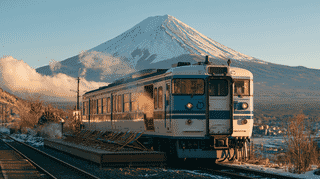
Fujikyu is turning a retired commuter train into SADEN, a day sauna sitting on the tracks at Shimoyoshida Station near Mt. Fuji. The Blue Train sleeping car that stood on the site will not be scrapped.