Yokkaichi City handed its reservoir grass-cutting to nine goats, dropping annual costs from $5,000 to $3,100. Meet the hungriest grounds crew in Japan and the comeback of goat grazing.
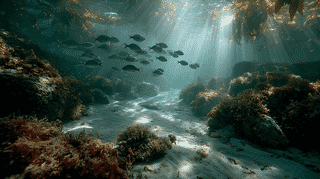
Anglers curse it, and it devours kelp forests. Now a patent-pending method to kill the rabbitfish's notorious stench has Japan talking. A look at turning a nuisance fish into food, and how the world is doing the same.
A hard drive on a concrete pillar in a Tokyo canal, rumored to hold trillions of yen in Bitcoin, was finally identified as an enterprise HGST drive. Then, a day after going viral, someone took it. The math, the law, and the vanishing act.
Japan's food exports hit a record 1.7 trillion yen in 2025, a 13th straight high, while its calorie-based self-sufficiency stays at 38%. Why both are true: wagyu, green tea, the 27% feed rate and the 64% production-value figure, explained for global readers.
Five classic Japanese picture books, including one written by Empress Emerita Michiko, have been translated into Ukrainian and donated to schools and libraries. Behind the project is Shikosha, a small Japanese publisher founded by a war widow in 1948.
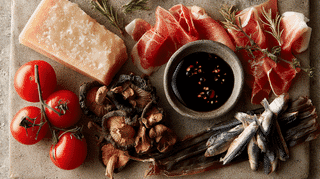
Pepperoni pizza and parmesan are loaded with umami. Everyone tastes it, yet a Japanese chemist named it in 1908. The story of Kikunae Ikeda, the century the West shrugged, and the receptor that finally proved him right.
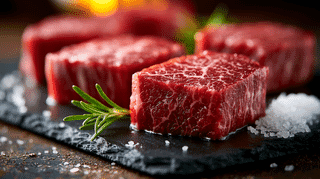
Kobe Beef and Miyazaki are on menus worldwide, yet Mishima and Iga beef never leave Japan. As wagyu exports hit record highs, here is why some brands cross the ocean and others stay home, from breeds and slaughterhouses to the stalled China resumption.
Shionogi has launched EndeavorRide, Japan's first prescription video game for childhood ADHD, covered by public health insurance. We unpack the Phase 3 results, the rise and fall of the US original EndeavorRx, and why a healthcare system can decide whether a game-as-medicine lives or dies.
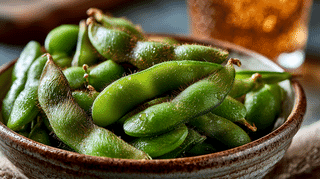
Why is Japan's prized dadachamame edamame so flavorful? Yamagata University traced it to tof11, a broken soybean gene whose accidental failure boosts umami and ripens the beans in summer.
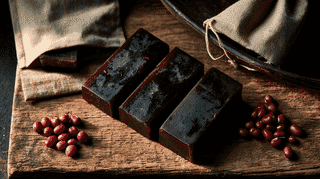
A Chiba startup has rebuilt yokan into an energy bar now test-selling in Japan and Australia. Here is why this centuries-old confection is one of the smartest survival foods ever made.
Ibaraki has become the first prefecture in Japan to pay residents a cash reward for reporting illegal foreign employment. Inside the design, the governor's defense, the backlash from lawyers, and the farming-economy contradiction underneath it all.