Tokyo's tree canopy fell from 9.2 percent in 2013 to 7.3 percent in 2022, a 20 percent drop in nine years, and Japan has roughly 500,000 fewer street trees than at its peak. As Singapore, Paris and New York expand their canopies, why do Japanese cities keep losing shade? A look through public data and recent research.
Takara Tomy's Licca-chan is back in the US after 40-plus years. We unpack why it lost to Barbie as LISA in 1980, why the rival is now Labubu's kidult collectible market, and whether the anime-led comeback can work.
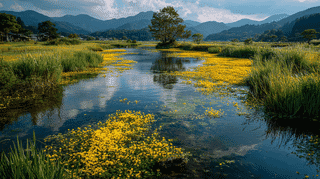
A paddy field in central Japan was swallowed by bright yellow flowers. Water primrose, a South American invader, regrows from the tiniest stem fragment. We look at why farmers cannot kill it, how the same plant is wrecking waterways in France, Britain and the US, and why eradication may be impossible.
Warabi mochi is a Japanese sweet famous for its jiggly, melt-in-your-mouth texture. We dig into its surprising origin (it is not made from rice), its thousand-year history, the rise of matcha warabi mochi, and why it keeps going viral on TikTok.
At a major Japanese pet expo, a homegrown technology called Livnight grows a sparkling gem from a dog's ashes. It costs far less than an ash-diamond, actually out-sparkles one, and never leaves Japan. A clear look at why Livnight, plus the country's pet farewell culture.
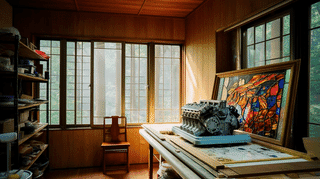
GAIA RESORT ACURA, a new rental villa in Zao, Miyagi, preserves the workshop and stained-glass art of the late Honda engineer Akira Ishizuya, who worked on the CVCC engine. A stay built around Japan's craftsmanship for car and motorsport fans.
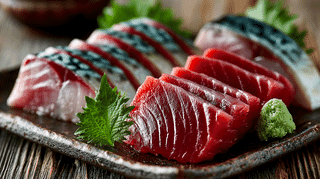
Kumamoto University has built a world-first device that kills anisakis parasites in raw fish using a 30,000-volt pulse lasting one-millionth of a second, without freezing or cooking. A look at the food-safety tech behind Japan's sashimi culture.
A new private tour called NINJA ORIGINS lets travelers train as real ninja in Iga and Koka, the birthplace of ninjutsu. From 200,000 yen (about $1,260) per person per night, guests sleep in restored historic buildings and join shrine rituals and a museum infiltration mission, as part of a model that funnels tourism revenue back into heritage conservation.
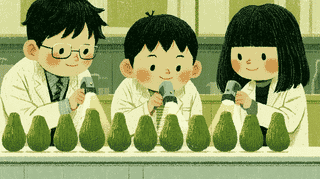
Akita Prefectural University students nicknamed the 'Avocado Squad' published a method that predicts avocado ripeness from skin reflectance and storage temperature, with no slicing required. The work is patent pending and the team is seeking commercial partners.
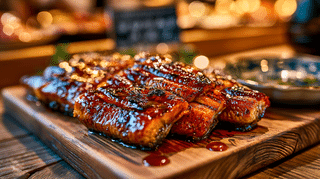
Yamada Suisan and Japan's fisheries research agency put fully farmed eel on public sale for the first time on May 29. After cutting glass-eel production cost from 40,000 to 1,800 yen, the country aims to end wild-juvenile dependence by 2050.
Hokuriku Electric has broken ground on a 2,000 kW hydropower plant in Komatsu, Ishikawa, the first in Japan dedicated to a bullet train. All output will flow to JR West under an offsite PPA. How does Japan's decarbonization push compare with SNCF and Deutsche Bahn?