Sony is ending Japan sales of its aibo robot dog (ERS-1000), then said it isn't quitting and teased a next-gen model. Here is the panic, the history of AIBO funerals, and Sony's physical-AI plan.
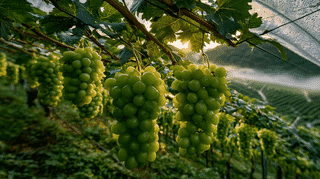
Japan estimates the leak of its Shine Muscat grape to China and South Korea costs about $120 million a year. We unpack how a missed registration deadline, a strawberry precedent and a too-late seed law left one of Japan's best fruits unprotected abroad.
At Nissan's annual meeting, at least one investor called to bring back Carlos Ghosn. The fugitive ex-chairman told Reuters that only he can save the company, but he fled Japan inside a box and cannot legally return. What the absurd pitch actually signals.
Nintendo's stock has fallen more than 50% since its August 2025 peak, even after a record fiscal year. We unpack why, for an overseas investor audience: the Switch 2 price hike, a softer FY27 outlook, and how Nintendo stacks up against US gaming names like Roblox, Take-Two, and EA.
Sony Pictures is investing $100M in Cosm, the Sphere-like immersive dome where Dodgers fans watched the World Series as if standing on the field. Here's the deal, the tech, and why Japanese baseball fans already know the place.
First Rheinmetall, then Anduril: in a single month, foreign arms makers signaled they want to build in Japan. We map the three routes they are taking, the April export-rule change that opened the door, and the identity shift Japan is now choosing.
Japan's government just promised over 370 trillion yen ($2.3 trillion) across 17 strategic sectors by 2040. We unpack the suspicious arithmetic: a 6.5x return promised on chips, an undisclosed public-private split, and a deadline conveniently 14 years away.
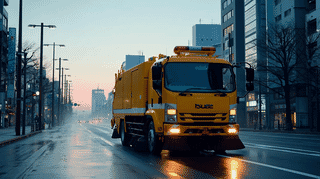
To hunters abroad, Howa is a rifle brand. Back in Japan, the same company holds about 90% of the road-sweeper market, makes airport soundproof windows and subway floodgates, and shares a root with Toyota. Meet Howa Machinery.
Glass is the front-runner for AI chip packaging substrates, but its smooth surface won't hold wiring. Nikon's new PAP material uses light to solve it. A look at the hidden Japanese chokepoints in the chip-substrate supply chain.
Nissan shareholders voted down the reappointment of outside director Motoo Nagai. A Mizuho-linked board insider, an abstaining Renault, and executive pay in a loss-making year explain how a rare rejection happened.
Germany's largest arms maker, Rheinmetall, is eyeing its first production base in Japan. Who is the company behind the guns on the Leopard 2 and Japan's Type 90 tank, how did the Ukraine war transform it, and why does it now want to export from Japan?