Japan's new Blue Ticket system fines cyclists on the spot, and yes, tourists on rental bikes are included. Here's a complete breakdown of 14 violations, fine amounts from $19 to $75, and essential tips for riding safely in Japan.
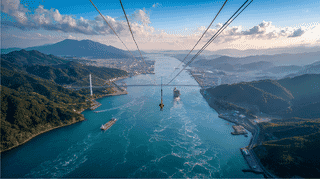
A 1,740m zipline across Japan's Kanmon Strait stalled for 2 years over funding, but Shimonoseki has restarted with a new feasibility study. The mayor declared he won't give up on this $9.4M project to fly riders at 110 km/h over samurai battlegrounds.
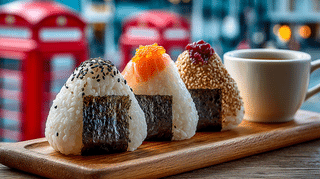
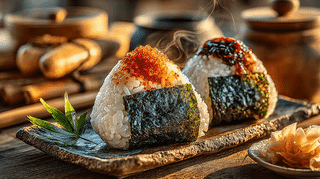
JR East, Japan's largest railway group, opened onigiri shop TOKYO ONIGIRI in London's Leicester Square in December 2025. Behind this unusual move, a railway company entering overseas food retail, lies the government's GOHAN Project strategy to boost Japanese rice exports. From Onigiri Summit 2026 to convenience store packaging innovations, we explore how the humble rice ball could become Japan's next global food hit after sushi and ramen.
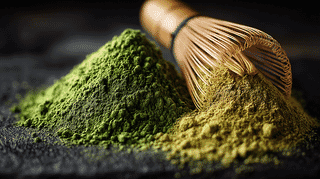
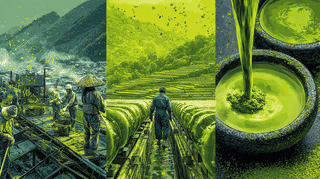
Japan's green tea exports doubled to ¥72.1 billion in 2025, yet domestic matcha production can't keep up. As tea plantations shrink 29% in a decade and low-grade powdered tea floods global markets, the industry warns of 'matcha laundering.' Is the matcha in your latte the real thing?
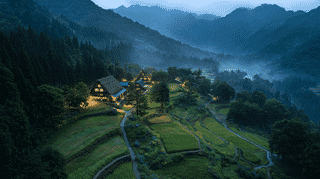
In Itoigawa, Niigata, a hamlet with just 2 year-round residents has launched a 'whole-village rental' stay experience. Guests sleep in a 200-year-old farmhouse and experience the entire village, rice paddies, spring water, snow, as their accommodation. A new model for reviving Japan's vanishing communities.
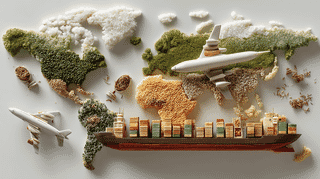
Japan's food exports hit a record $11.3 billion, but what systems make that possible? From 20 miso makers uniting at FOODEX to a $13 billion inbound food tourism pipeline, from onigiri startups promoting rice in Vietnam to a Toyosu-based platform targeting 100 cities worldwide, this is the story of the infrastructure behind Japan's food globalization.
Ippudo ramen now spans 400+ locations across 15 countries. Onigiri shops draw lines in Paris. Green tea exports hit a record $480 million. Natto exports surged 60x for some producers. Japan's 2025 food exports reached a record $11.3 billion. This is how Japanese food, far beyond sushi, is fundamentally reshaping dining tables worldwide.
As global matcha demand explodes, Kagoshima is building a $17M mega-factory, Ibaraki is subsidizing new entrants, and Shizuoka is pivoting from sencha. Inside Japan's matcha production arms race.
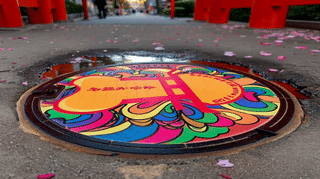
A new manhole cover featuring a fertility god symbol has appeared in Ninohe, Iwate Prefecture. Discover Japan's unique manhole art culture, the booming manhole card collecting hobby, and the connection to festivals like Kanamara Matsuri.
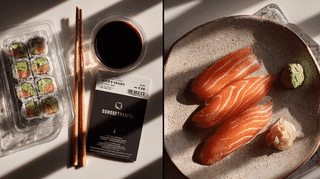
Takeout sushi sales at U.S. supermarkets have surged to $2.8 billion. Kroger sells over 40 million sushi packs annually, while NYC omakase spots charge over $1,000 per person. We break down the two-tier sushi economy reshaping how America eats Japanese food.
JTB and MOTO TOURS JAPAN have partnered to develop premium motorcycle tourism for affluent travelers from the West and ASEAN. Discover Japan's legendary riding routes and how to rent a bike as a foreign visitor in the homeland of Honda, Yamaha, Kawasaki, and Suzuki.
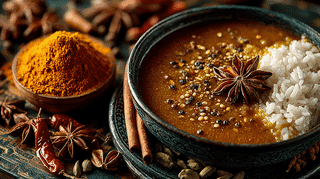
S&B Foods' Golden Curry celebrates its 60th anniversary with a new powder roux featuring 35 spices. Now sold in over 60 countries, Japan's iconic curry brand enters its next chapter.
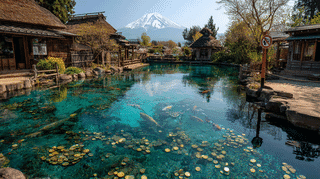
Tourists are throwing thousands of coins into the pristine spring-fed ponds of Oshino Hakkai, a UNESCO World Heritage site near Mt. Fuji. The coins poison koi fish with copper and zinc. Here's why this must stop and what Japan is doing about it.
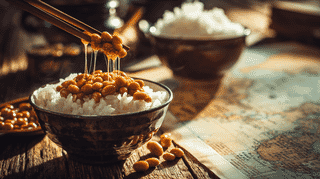
Japan's natto exports hit a record 5,248 tons in 2025, up 44% year-over-year. Driven by global health trends and fermented food hype, natto is conquering new markets. But packaging regulations and Korean competitors pose challenges. Plus: how the world eats natto.
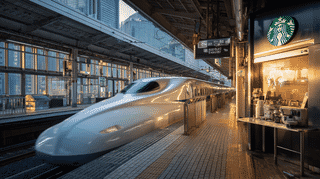
The only Starbucks on a bullet train platform in Japan is temporarily closing for renovations after overwhelming popularity exceeded expectations. Explore Japan's unique ekinaka station culture and what makes Shinkansen travel special.
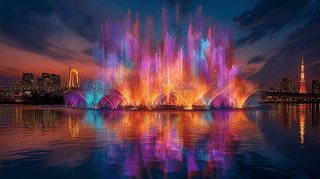
On March 28, 2026, Tokyo Aqua Symphony — one of the world's largest fountain shows — debuted at Odaiba Seaside Park. Featuring a 150m-high water jet and 250m-wide cherry blossom fountains set to Dragon Quest music, this free spectacle performs 10 times daily against Rainbow Bridge and Tokyo Tower.
Japan's real estate investment hit a record $43 billion in 2025, with foreign investors accounting for $16 billion. As the weak yen makes Tokyo properties a global bargain, locals are being priced out — but signs of a market correction are emerging.
The Japanese government's JAPAN SUI COLLECTION project made its European debut in Paris in March 2026, showcasing Living National Treasure lacquerwork, Sendai Tansu cabinets, and a Junko Koshino fashion show at Le Royal Monceau. Here's how 'Sui', Japan's philosophy of refined elegance, captivated 200 European leaders.
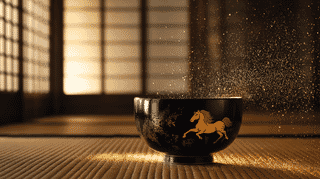
Yamada Heiando, a 107-year-old lacquerware maker that supplies Japan's Imperial Household, collaborates with Pokémon to create handcrafted bowls featuring Ponyta in traditional makie gold-dust technique. Discover how Japan's ancient craft meets pop culture in this 'Only in Japan' fusion, priced at around $110.
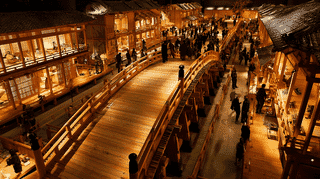
The Edo-Tokyo Museum in Ryogoku reopened on March 31, 2026 after a four-year renovation. Featuring new exhibits including life-size models, projection mapping, and immersive Edo-period experiences, plus nearby sumo attractions and travel tips.