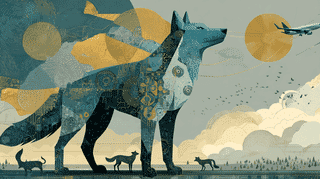
Kushiro Airport in Hokkaido is the first in Japan to fully deploy WOLF-GUARD, a self-driving version of the famous Monster Wolf robot. In trials, the Monster Wolf cut small-animal intrusions by about 60 percent. Here's how the red-eyed, howling patroller works, and how it compares with the falcons, border collies and radar used at airports abroad.
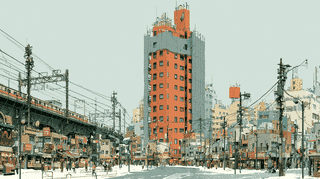
A nine-story mosque near Tokyo's Okachimachi Station became a national flashpoint after one post on X. But it's a rebuild of a facility that has served the area since 2008. A calm look at the jewelry district's history of coexistence and Japan's distance from Islam.
Yokkaichi City handed its reservoir grass-cutting to nine goats, dropping annual costs from $5,000 to $3,100. Meet the hungriest grounds crew in Japan and the comeback of goat grazing.
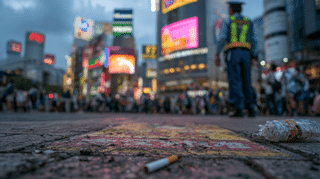
On June 1, Shibuya became the first of Tokyo's 23 wards to fine street littering on the spot, 2,000 yen a pop, with 10 penalties on day one. But this is a country that spent decades removing its public bins. Inside Japan's awkward don't-litter-but-good-luck-finding-a-bin paradox.
Tokyo's tree canopy fell from 9.2 percent in 2013 to 7.3 percent in 2022, a 20 percent drop in nine years, and Japan has roughly 500,000 fewer street trees than at its peak. As Singapore, Paris and New York expand their canopies, why do Japanese cities keep losing shade? A look through public data and recent research.
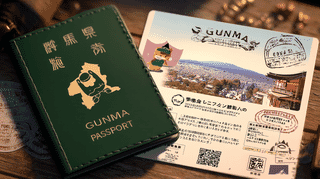
Gunma Prefecture's passport-style pamphlet, GUNMA PASSPORT, hit its full print run of 10,000 applications on its first day of issue, May 1, and the queue closed. Behind the rush sits a 15-year-old internet joke about "the unexplored land of Gunma" and the idea that Japan is really two countries, plus the self-deprecating humour of North Kanto's place near the bottom of the prefectural attractiveness ranking. The prefecture has since reprinted 30,000 more.
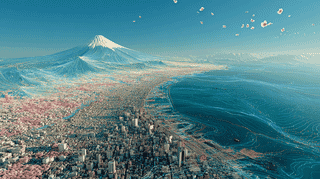
Japan had FIVE earthquakes of intensity 5 or higher in April 2026, including a magnitude 7.7 offshore Sanriku quake. Casualties: zero deaths, zero collapses. How? The 1981 building code, a 21-story 'fortress' built to survive a magnitude 8 hit, and one counterintuitive rule: don't run outside. A humorous look at the world's most earthquake-hardened country.
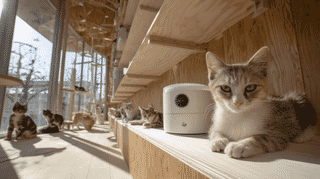
Japan has reduced dog and cat euthanasia by 99% over 50 years, yet 6,830 animals are still put down annually. Tokyo-based Signal Talk has launched 'Paw Me,' a service that lets users feed shelter animals remotely via smartphone. A new model of social participation for those who cannot keep pets due to allergies, age, or living situation.
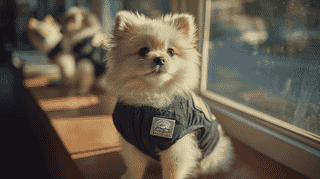
A 2-year-old Pomeranian named Haku joined Japan's Miyazaki Prefectural Police as their first Pomeranian K-9. After being surrendered by his original owner, he passed a tough scent test in his very first year. Discover his trainer's story, Japan's growing small-breed police dog trend, and what makes Haku special. What unusual working dogs exist in your country?
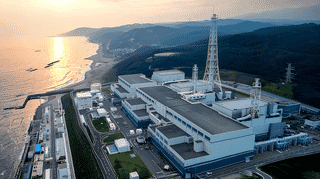
On April 16, 2026, TEPCO's Kashiwazaki-Kariwa Unit 6 resumed commercial operation for the first time in 14 years, the first post-Fukushima restart for the utility responsible for the 2011 disaster. With Middle East tensions squeezing LNG supply, electricity prices climbing, and 2050 carbon neutrality targets looming, Japan's energy policy has reached an inflection point. A deep dive into the restart's context, comparisons with Germany, France, and South Korea, the 'enclave mega-solar' scandal denting renewables, and how ordinary Japanese people are actually reacting.
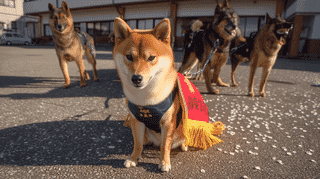
Gifu Prefecture's first Shiba Inu police dog, 2-year-old Tsubu, passed a rigorous scent test to join the K-9 force alongside German Shepherds. Explore her story, the rise of small-breed police dogs in Japan, Japanese dog breeds, and where to meet Shibas. What unconventional working dogs exist in your country?