On April 23, PM Sanae Takaichi met five foodtech CEOs at the PM's Office: Oishii Farm, PlantX, FRD Japan, Regional Fish, and Toko Tekko. Why these five? This article decodes how each company's technology answers one of the world's four shared food crises, climate-driven farmland collapse, ocean depletion, population growth, and shrinking farmer populations, and the strategic logic behind Japan choosing to win in specific categories rather than competing across the board.
Japan is famously polytheistic and its gods rarely clash, unless the subject is mushroom-shaped versus bamboo shoot-shaped chocolate snacks. Inside the 50-year rivalry between Meiji's Kinoko no Yama and Takenoko no Sato: national elections, a celebrity-led campaign, a peace treaty, and why this debate can break friendships.
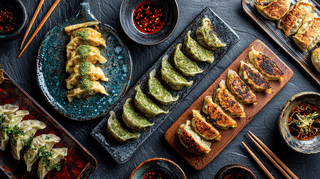
Osaka Ohsho, the 56-year-old Japanese gyoza chain, opens its first North American flagship in Sawtelle (Little Osaka), Los Angeles, on May 8, 2026. We unpack the Mitsubishi Shokuhin joint venture, the SNS-driven distribution strategy, the tableside cooking spectacle, and how the brand plans to flip gyoza from a ramen side dish into a main attraction.
Food tech is one of 17 pillars in Japan's new national growth strategy under the Takaichi administration, with a 30% global market share target by 2040. Beyond the obvious giants like Maruha Nichiro, Nissin, and Kikkoman, this deep dive spotlights 5 lesser-known but high-potential players: Regional Fish (gene-edited seafood), FRD Japan (closed-loop salmon), Chitose Bio Evolution (algae unicorn), UMITRON (aquaculture AI), and Oishii Farm (NY strawberry factory).
BlackRock, managing $14 trillion in assets, has taken a 5.28% stake in Komeda Holdings, the Nagoya-born coffee chain. Even in the AI era, people don't stop drinking coffee. We unpack why the world's largest asset manager is betting on Japan's food industry, looking at Komeda's unique franchise model and its global expansion story.
Suntory Holdings is acquiring Daiichi Sankyo Healthcare, maker of Loxonin, Lulu, and Minon, for $1.55 billion. As Japan's youth abandon alcohol and the population ages rapidly, the beverage giant pivots to self-care. We analyze the deal, the booming OTC market, and what it means for global healthcare trends.
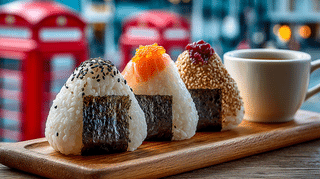
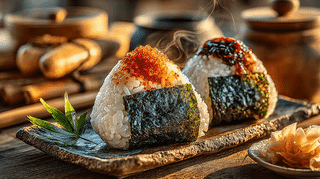
JR East, Japan's largest railway group, opened onigiri shop TOKYO ONIGIRI in London's Leicester Square in December 2025. Behind this unusual move, a railway company entering overseas food retail, lies the government's GOHAN Project strategy to boost Japanese rice exports. From Onigiri Summit 2026 to convenience store packaging innovations, we explore how the humble rice ball could become Japan's next global food hit after sushi and ramen.
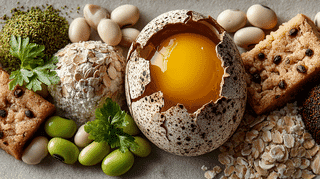
ADEKA's plant-based food brand Deli-Plants is launching trial exports of egg alternatives to North America. With bird flu causing global egg shortages and price spikes, Japan's fermentation, emulsification, and soy processing expertise is attracting international attention. We report on Japan-born food tech including Fuji Oil's plant-based dashi.
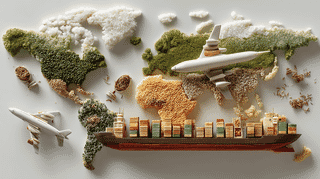
Japan's food exports hit a record $11.3 billion, but what systems make that possible? From 20 miso makers uniting at FOODEX to a $13 billion inbound food tourism pipeline, from onigiri startups promoting rice in Vietnam to a Toyosu-based platform targeting 100 cities worldwide, this is the story of the infrastructure behind Japan's food globalization.
Ippudo ramen now spans 400+ locations across 15 countries. Onigiri shops draw lines in Paris. Green tea exports hit a record $480 million. Natto exports surged 60x for some producers. Japan's 2025 food exports reached a record $11.3 billion. This is how Japanese food, far beyond sushi, is fundamentally reshaping dining tables worldwide.
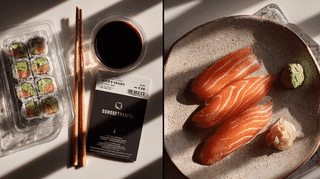
Takeout sushi sales at U.S. supermarkets have surged to $2.8 billion. Kroger sells over 40 million sushi packs annually, while NYC omakase spots charge over $1,000 per person. We break down the two-tier sushi economy reshaping how America eats Japanese food.