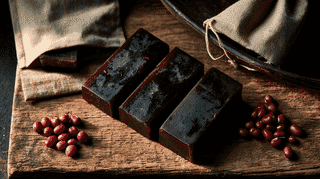
A Chiba startup has rebuilt yokan into an energy bar now test-selling in Japan and Australia. Here is why this centuries-old confection is one of the smartest survival foods ever made.
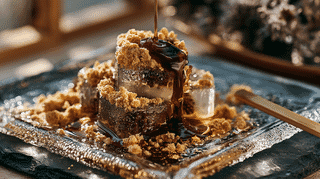
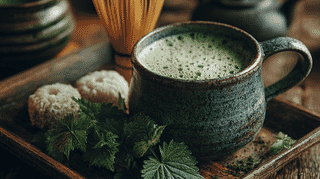
Warabi mochi is a Japanese sweet famous for its jiggly, melt-in-your-mouth texture. We dig into its surprising origin (it is not made from rice), its thousand-year history, the rise of matcha warabi mochi, and why it keeps going viral on TikTok.
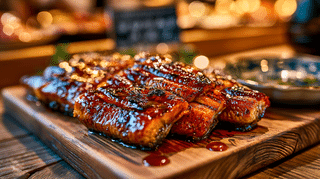
Yamada Suisan and Japan's fisheries research agency put fully farmed eel on public sale for the first time on May 29. After cutting glass-eel production cost from 40,000 to 1,800 yen, the country aims to end wild-juvenile dependence by 2050.
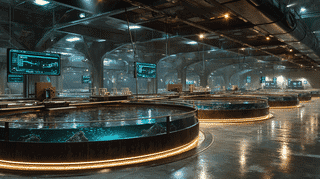
Caviar's definition of 'best' has shifted from geography to aquaculture technology. As China supplies 60% of the world's farmed caviar and Russian product disappears under sanctions, a landlocked Japanese prefecture is challenging the global hierarchy with a hybrid land-based farming system that combines patented closed-loop tech with rare ultra-soft spring water.
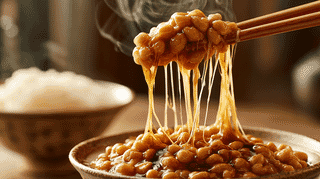
Hokkaido Hamanasu Foods, a natto maker in Ebetsu, has grown its exports 60-fold in eight years, almost entirely to China, where Beijing supermarkets stock Japanese-labeled four-pack sets that take 80% of shelf sales. Prefecture-wide natto exports hit 640 million yen in 2025, five times the level seven years earlier. Back home, Mizkan suspended four natto products in May 2026 as Middle East tensions disrupted packaging supplies. Plus: the science of Bacillus subtilis and where to buy natto abroad.
Calbee is switching 14 of its flagship snacks (including Potato Chips Lightly Salted, Consomme Punch, and Kappa Ebisen shrimp chips) to monochrome 'petroleum-saving packages' from May 25. The cause: ink shortages triggered by the Hormuz Strait crisis. A symbolic case of geopolitical risk reaching Japan's shelves, compared with parallel moves at Lindt, Lamb Weston and Smithfield Foods.
Japanese telecom giant NTT runs a land-based shrimp farm in Iwata, producing 180 tons/year and capturing the largest domestic share. A deep dive into the 10-year plan to free Japan from its 90% shrimp import dependence, plus how it stacks up against Norway and Singapore.
Sushiro, the king of Japan's revolving sushi industry with 14 consecutive years as the top earner, is finally making a real run at the US market. The Times Square flagship opens this fall, but rival Kura already runs 91 US restaurants and is listed on NASDAQ. Inside Japan's three-way sushi war and Sushiro's last frontier.
With matcha scarce and prices soaring, an unglamorous Japanese herb called yomogi (mugwort) is being talked up as the next matcha. One Osaka supplier shipped a record 754 tons in 2025 and expanded cultivation 1.5x, while mugwort-steam salons grew 1.8x in three years. A trading-company veteran turned mugwort farmer is now branding the weed.
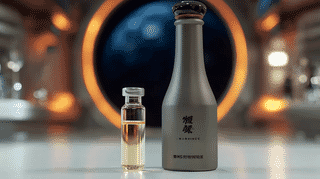
Yamaguchi's premium sake brand Dassai and Japanese engineering giant Mitsubishi Heavy Industries brewed sake in space for the first time in human history. The result was a single 100ml bottle, priced at about $700,000, and it sold. Inside the Dassai MOON Project, the long-term plan to build a brewery on the Moon, plus practical brewery-tour information for visitors to Iwakuni, Yamaguchi.
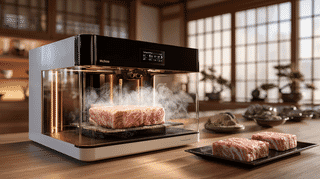
TOPPAN, a 120-year-old Japanese printing company, is applying the thin-film layering know-how it built in semiconductors to 3D-printed cultured meat, targeting revenue from 2031. The plan: a countertop 'Meat Maker' that prints marbled wagyu from data and a recipe. We cover the NEDO consortium with Shimadzu and Itoham Yonekyu, Integriculture's rival cellular agriculture platform, where cultivated meat is legal today, and the cost wall still in the way.