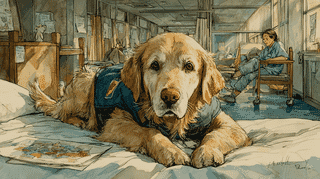
Hospital Facility Dogs—canine 'medical staff' that report to the same Japanese pediatric hospital five days a week—will grow to seven teams nationwide by fiscal 2027. From Shizuoka to Hyogo and Tsukuba, we look at how Shine On! Kids built this uniquely structured program, why each dog costs roughly ¥12 million (about $76,000) a year to operate, and how donations and corporate partnerships are filling the gap.
Taiwanese buyers now account for 62% of all foreign home purchases in Tokyo's 23 wards, according to data released by Japan's government for the first time. Behind this surge: a historic yen, a Taipei property bubble exceeding Tokyo, TSMC's Kumamoto pipeline, geopolitical hedging, and Taiwan's AI boom—all converging at once.
A 21-year-old shares yogurt ice cream with a 'mother' she just met. In Japan, you can rent almost anyone — a mum, a middle-aged uncle, a boyfriend, or even a guy who literally does nothing. Inside Japan's quietly booming and surprisingly tender human-rental economy, from a 400-person agency to the Brendan Fraser film inspired by it.
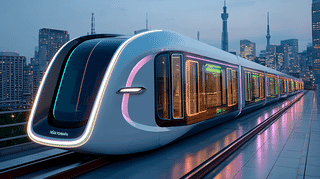
JR East has unveiled a concept render for the next-generation 'sustina' commuter train, and it looks nothing like the iconic Yamanote Line trains running today. Featuring autonomous control and 'emotional graphics,' the design reimagines what a Tokyo commuter train can be. Here's why Japan's commuter trains are a global obsession.
Nlab Research polled 943 Japanese men on the 'coolest dog breed.' Akita took #1 with 9.5%, Doberman #2 with 8.8%. We unpack the male-specific trend, compare with women's results, and examine what Voicenote's panel composition tells us about who actually answered.
Students at Daigo Junior High in Fushimi-ku, Kyoto have collected aluminum cans from their homes since 1994 and converted them to cash for the Kansai Guide Dog Association. Over 30 years, the donations have surpassed 6.18 million yen ($39,000), enough to train two guide dogs. We unpack what makes this multigenerational effort possible.
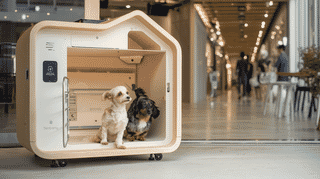
Asahi Kasei Homes is expanding its smart dog pod sharing service WanPod to 30 commercial facilities in Japan's Kanto region this summer. The climate-controlled private suites — equipped with smart locks, monitoring cameras, music players and privacy curtains — recorded 89% satisfaction and zero accidents in trials. Discover how a Japanese chemical-housing conglomerate is building a uniquely Japanese pet coexistence infrastructure.
With matcha in short supply and prices soaring, an unassuming Japanese herb called yomogi (mugwort) is being talked up as the 'next matcha.' One Osaka supplier shipped a record 754 tons in 2025 and expanded cultivation 1.5x. Mugwort-steam salons jumped 1.8x in three years. A trading-company veteran turned mugwort farmer is now branding the weed.
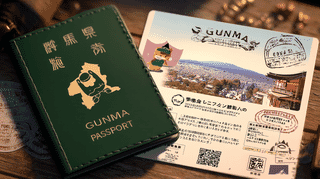
Gunma Prefecture's passport-style pamphlet sold out 10,000 copies on day one. Behind the frenzy: a beloved internet meme calling Gunma 'Japan's undeveloped territory' and a regional rivalry where prefectures fight to be the least popular.
Japan has procured Russian crude for the first time since the Strait of Hormuz blockade — a Sakhalin-2 spot cargo bound for Taiyo Oil's Imabari refinery in Ehime Prefecture, arriving May 4. Behind the move lies the controversial 'Sakhalin exception' to G7 sanctions, extended through June 2026. We unpack the structural vulnerability that no amount of moral diplomacy can hide, and compare Japan's response to Germany, South Korea, and India.
Japan had FIVE earthquakes of intensity 5 or higher in April 2026, including a magnitude 7.7 offshore Sanriku quake. Casualties: zero deaths, zero collapses. How? The 1981 building code, a 21-story 'fortress' built to survive a magnitude 8 hit, and one counterintuitive rule: don't run outside. A humorous look at the world's most earthquake-hardened country.