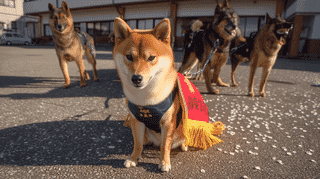
A 2-year-old Pomeranian named Haku joined Japan's Miyazaki Prefectural Police as their first Pomeranian K-9. After being surrendered by his original owner, he passed a tough scent test in his very first year. Discover his trainer's story, Japan's growing small-breed police dog trend, and what makes Haku special. What unusual working dogs exist in your country?
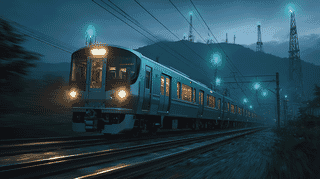
JR Kyushu's new RK System will control trains over public cellular networks starting 2028—a Japan-first approach. How it compares to Europe's ERTMS and America's PTC, and what it means for aging societies everywhere.
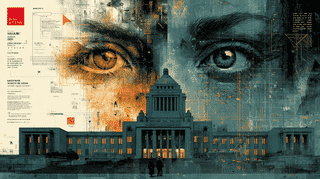
Japan's National Intelligence Council Bill marks the country's biggest postwar intelligence reform. But similar PM-led intelligence bodies overseas have produced both spectacular successes (foiling the 2006 transatlantic bombing plot) and deep abuses: Korea's KCIA election interference, NSA mass surveillance, GCHQ's legal loopholes, BND monitoring German politicians for the NSA. What lessons should Tokyo draw?
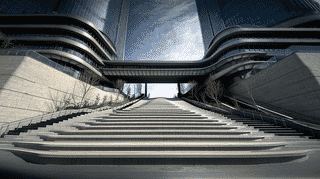
Two people have been injured on the 'grand staircase' at Tokyo's Takanawa Gateway City, which opened in March 2026. The station building next door, designed by world-renowned architect Kengo Kuma, is part of a broader pattern where Kuma's wood-heavy creations rot, mold, and crack within years. Behind the problem: Japan's domestic timber policy, elite university networks, and a philosophy that treats buildings as photographic objects.
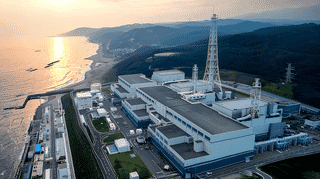
On April 16, 2026, TEPCO's Kashiwazaki-Kariwa Unit 6 resumed commercial operation for the first time in 14 years, the first post-Fukushima restart for the utility responsible for the 2011 disaster. With Middle East tensions squeezing LNG supply, electricity prices climbing, and 2050 carbon neutrality targets looming, Japan's energy policy has reached an inflection point. A deep dive into the restart's context, comparisons with Germany, France, and South Korea, the 'enclave mega-solar' scandal denting renewables, and how ordinary Japanese people are actually reacting.
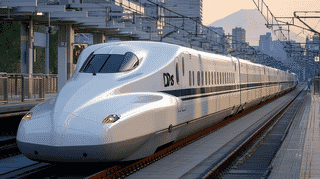
JR Central reveals 'Doctor S', the successor to the beloved Doctor Yellow inspection train. Based on the N700S Shinkansen, it will start service in October 2026 and take over track-testing duties from January 2027. Here's why Japan runs dedicated inspection trains and how you might still spot the new yellow logo.
Gifu Prefecture's first Shiba Inu police dog, 2-year-old Tsubu, passed a rigorous scent test to join the K-9 force alongside German Shepherds. Explore her story, the rise of small-breed police dogs in Japan, Japanese dog breeds, and where to meet Shibas. What unconventional working dogs exist in your country?
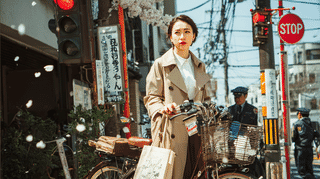
Japan's new Blue Ticket system fines cyclists on the spot, and yes, tourists on rental bikes are included. Here's a complete breakdown of 14 violations, fine amounts from $19 to $75, and essential tips for riding safely in Japan.
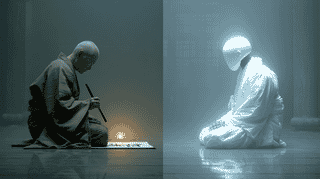
Kyoto University's AI-powered robot monk Buddharoid now offers spiritual guidance at a Kyoto temple, trained on ancient Buddhist scriptures. With 30% of Japan's 77,000 temples projected to vanish by 2040, can artificial intelligence save Buddhism? From the $1M Mindar android to BuddhaBot chatbots reaching Bhutan, we explore where faith meets technology.
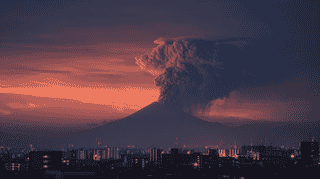
Kyoto University Professor Emeritus Hiroki Kamata warns Mount Fuji is in eruption standby mode, with high risk of being triggered by the Nankai Trough megaquake. NHK Special dramatizes Tokyo blackout scenario from volcanic ash, while Sakurajima continues active eruptions
Japan's government has approved a plan to make standard childbirth costs free by 2026. But the Japan Association of Obstetricians warns of a looming collapse in maternity care, delivery facilities have halved since 1996, and rural 'maternity deserts' are spreading. How does Japan's birth system compare to France and Sweden?