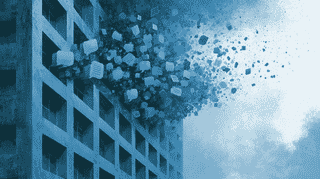
Japan's Koroyawa floor stays hard when you walk and softens only when you fall. Science Tokyo proved it prevents elderly hip fractures using a world-first simulation built from a real patient's CT data.
From October 2026, Japan requires every employer to shield staff from abusive customers. Inside the 'customer is a god' myth, the front-line toll, and why most countries lack the word.
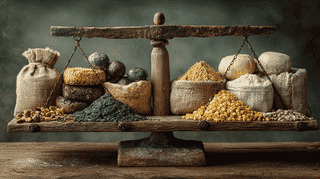
Japan's food exports hit a record 1.7 trillion yen in 2025, a 13th straight high, while its calorie-based self-sufficiency stays at 38%. Why both are true: wagyu, green tea, the 27% feed rate and the 64% production-value figure, explained for global readers.
Japan's Ministry of Health, Labour and Welfare says about 7.5 million internal Microsoft Teams messages were erased after a Toshiba maintenance error. Nearly three years of data vanished, and some records that count as official documents cannot be recovered.
Medicines available in the US and Europe that Japanese patients cannot get. We unpack Japan's drug loss problem: the count falling from 86 to 78, a new fiscal-2026 budget, and the fresh risk posed by Trump's drug-pricing executive order.
Ibaraki has become the first prefecture in Japan to pay residents a cash reward for reporting illegal foreign employment. Inside the design, the governor's defense, the backlash from lawyers, and the farming-economy contradiction underneath it all.
An unpermitted mosque facing removal in Japan exposes the real problem: the issue isn't faith, it's the permit, and the lawful route to building one is often blocked. A look at Japan's rising Muslim population, its population decline, and the legal path that was never built.
Japan's 2025 census preliminary count puts the population at 123 million, down 3.1 million in five years, the steepest drop since records began. The country fell from 11th to 12th in the world, overtaken by Ethiopia. We translate that number into cities you can picture, then compare how South Korea, Italy, and China face the same cliff, and ask whether Japan's immigration, birth-support, and regional-revival policies are working.
Kawasaki Heavy Industries has begun pitching a technology that produces naphtha, the building block of plastics, from hydrogen instead of crude oil. Built on its commercial gas-to-gasoline plant in Turkmenistan, the proposal lands in the middle of a Japanese petrochemical crisis triggered by the Strait of Hormuz disruption.
Japan's Environment Ministry confirmed PFAS contamination above national limits at 629 sites across 26 prefectures in fiscal 2024, including locations near U.S. military bases, factories, and Self-Defense Force facilities. A UN special rapporteur has voiced 'most serious concern,' while Japan's standards lag far behind those of the U.S. and EU.