Morinaga released seven snacks on March 3, 2026 that owners and their dogs can eat together, a first in the confectioner's 126-year history. A joint study with Tokyo University of Agriculture tested what sharing food actually does, and a veterinarian supervised the recipes. Japan's pet market hit 1.91 trillion yen in fiscal 2024.
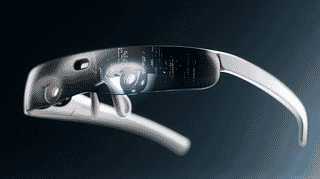
Eyewear that applies voltage to a liquid lens and refocuses automatically for myopia, hyperopia, and presbyopia. A look at where autofocus vision correction stands, centered on HOYA spinoff ViXion's 01S and the ViXion2 released in 2026.
Resales at Harumi Flag are stalling and Osaka tower mansion inventory has doubled in two years. Foreign ownership above 40%, zero-capital flipping via simultaneous registration, tighter bank screening, and 2026 data showing prices and contract rates moving apart.
What if your pajamas could help you recover while you sleep? In Japan, "recovery wear" (clothing infused with ceramic minerals that emit far-infrared rays to boost blood circulation) has become a national craze, even earning a Word of the Year nomination. Budget chains Workman, Nitori and Aeon have pushed entry prices down to single digits in dollars. Here's what recovery wear is, why millions of Japanese are buying it, and how the sales numbers look through September 2026.
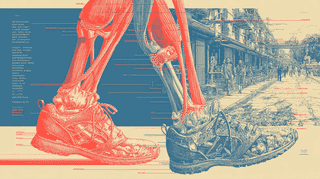
No batteries. Just 280 grams of rubber. A Japanese bone-setter turned entrepreneur created "futto," a walking support device using rubber tubes as artificial muscles. Built with hardware store materials by a three-person family company, it now has peer-reviewed backing, a distribution deal with France Bed, and sales abroad. Here's how this $220 device answers a problem every aging society shares.
Western Digital (WD) unveiled its roadmap to 100TB+ HDDs by 2029 at Innovation Day 2026. With HAMR technology for capacity and High Bandwidth Drive plus Dual Pivot tech for performance, WD aims to close the gap with SSDs. Here's what this means for the HDD vs SSD battle in the AI era.
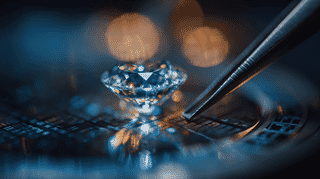
Japan and the US have agreed on the first tranche of a massive $550 billion investment plan, including a $600 million lab-grown diamond factory in Georgia. With China controlling over 60% of global production, synthetic diamonds are being called "the next rare earth." But with a controversial profit-sharing deal, is this a smart bet or a high-risk, low-return gamble for Japan?
Japan's Ministry of Land, Infrastructure, Transport and Tourism has created a new certification system allowing US-made cars to be registered without additional safety testing. Born from the July 2025 US-Japan trade deal, this move addresses longstanding claims of non-tariff barriers. Here's how Japan is reacting.
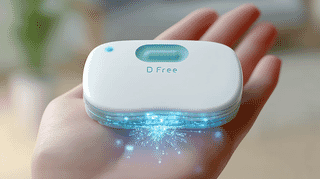
Japan-born IoT wearable "DFree" uses ultrasound to predict urination timing and has won the Grand Prize for Developmental Support Tools at BabyTech Awards 2025-26. How the 20-gram device works, why the judges picked it, how it came to be covered by Japan's long-term care insurance, and what it means for elderly care and children with disabilities.
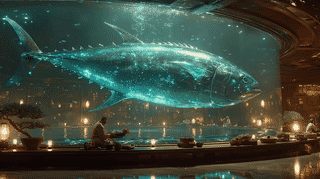
Japan's largest seafood company Maruha Nichiro has partnered with Singapore's UMAMI Bioworks to develop cell-cultivated bluefin tuna using cells from fully farmed fish. Targeting overseas sales by FY2027, this report covers the technical breakthroughs, commercialization challenges, and global cultivated meat market landscape behind Japan's ambitious quest to produce fish without the ocean.
Japan officially targets fusion power demonstration in the 2030s as part of its national strategy. With a new Cabinet Office task force, 80+ companies in the J-Fusion consortium, and decades of ITER expertise, Japan is accelerating its bid to lead the global fusion race against the US, China, and UK.